普洱的年味,都藏在这些地方→
来源:普洱日报2022-01-30
虎年虎年虎年!
虎虎生威,幸福满堂,前程似锦!
Wish you a joyous new year and express
my hope for your happiness and good future.
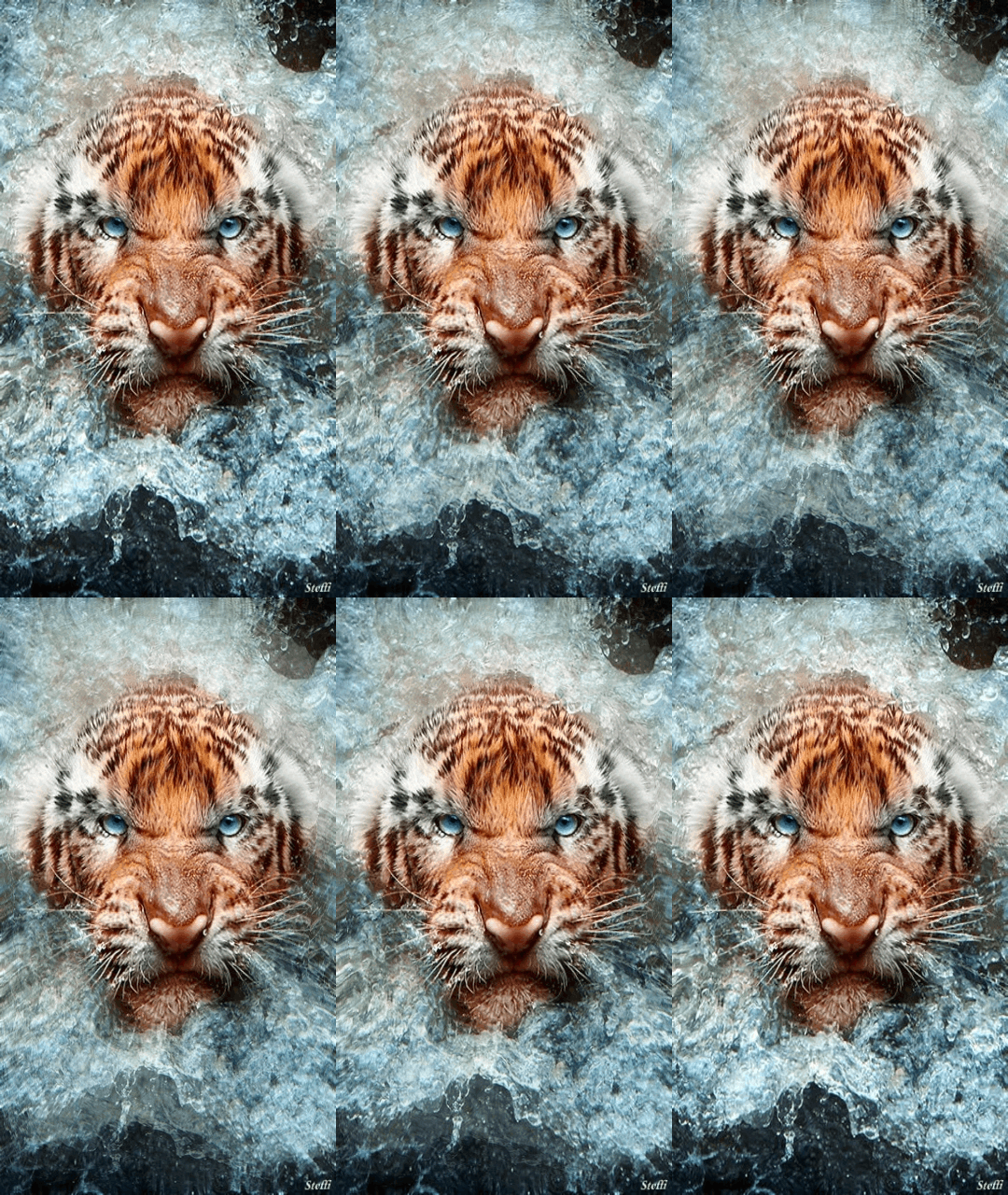
没错,只不到两天时间
虎年将至
猛兽之年,必定国泰民安,风调雨顺
虎年春节,总当做些与虎有关的事
轰轰烈烈来个辞旧迎新
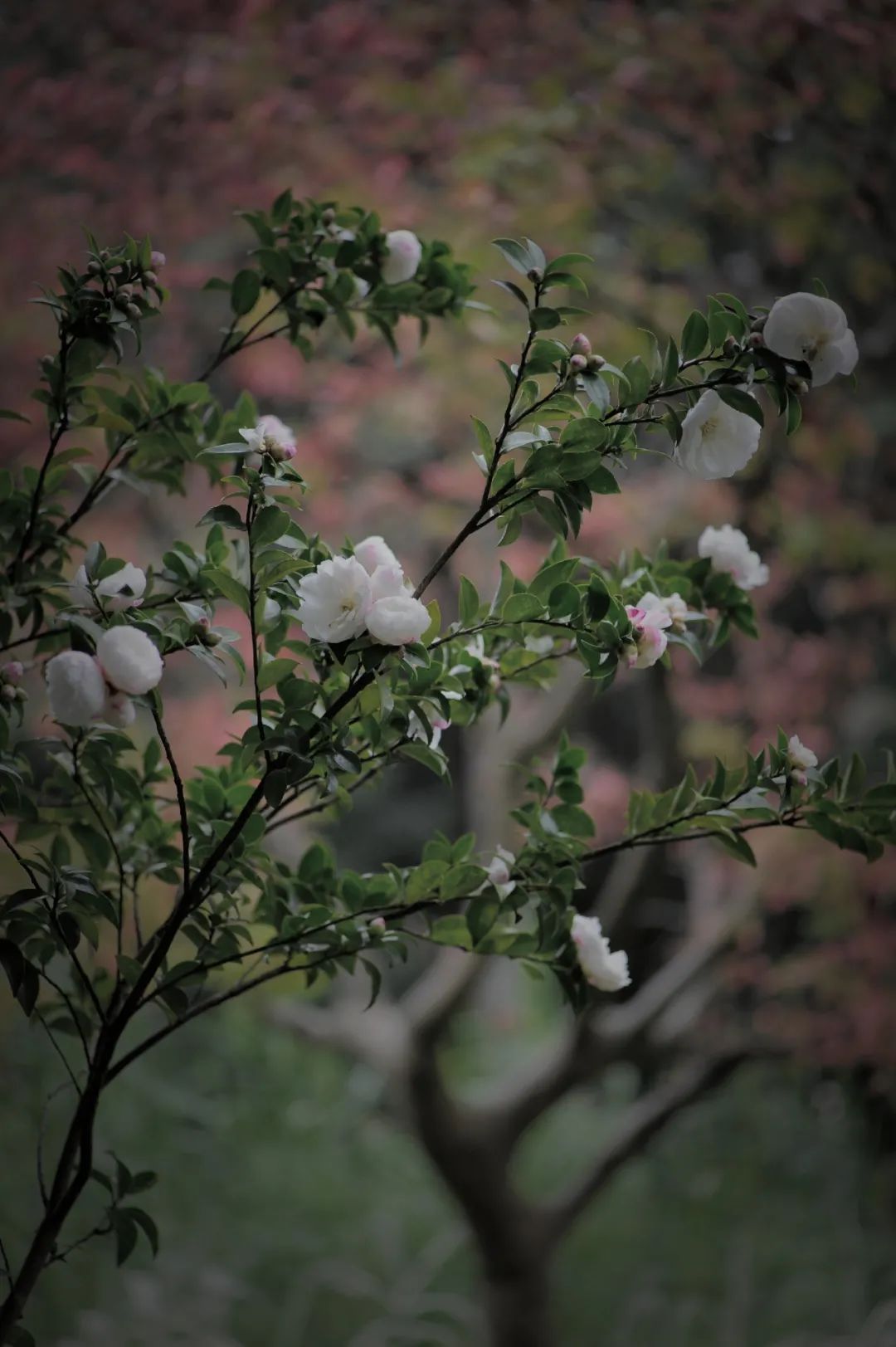
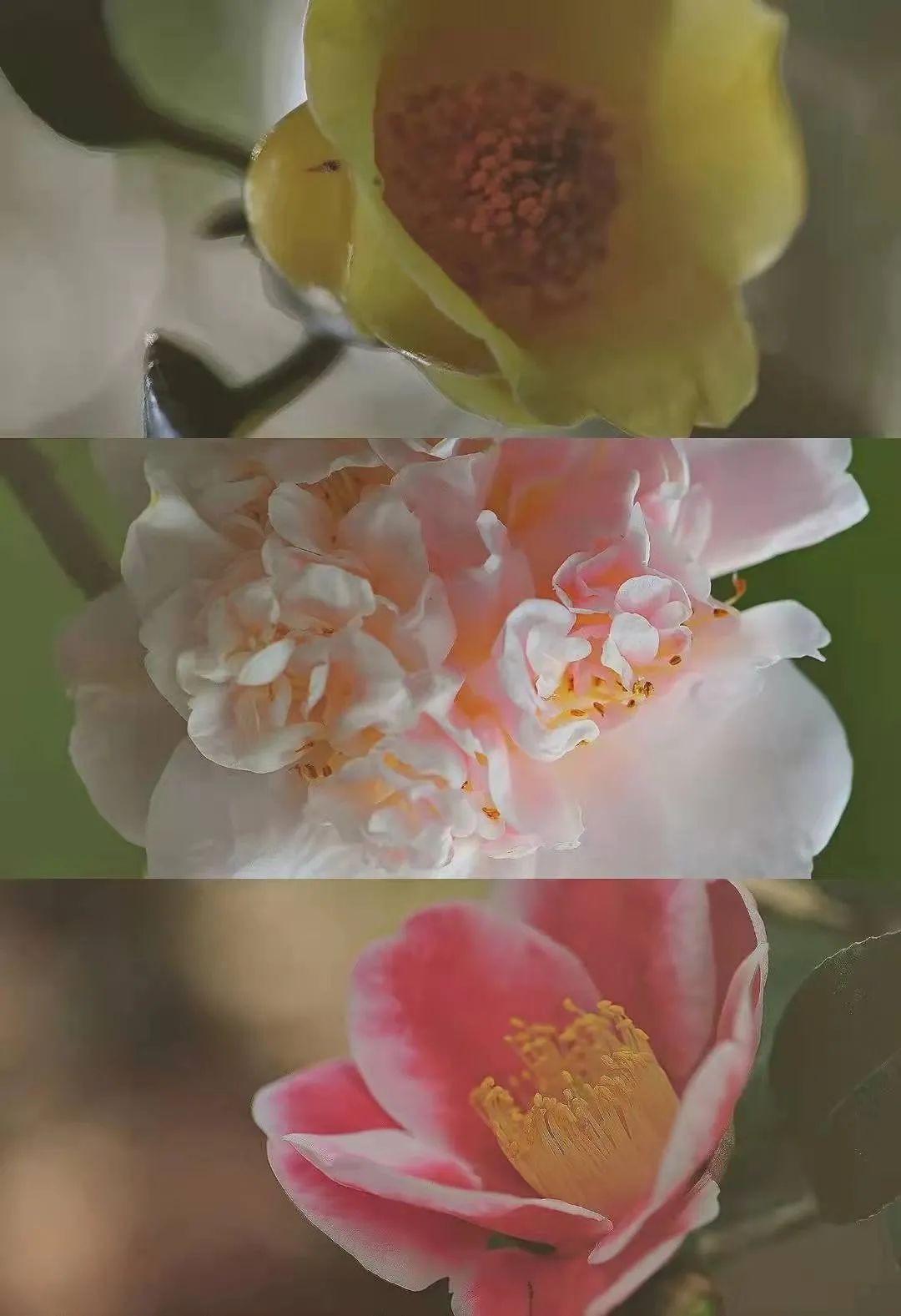
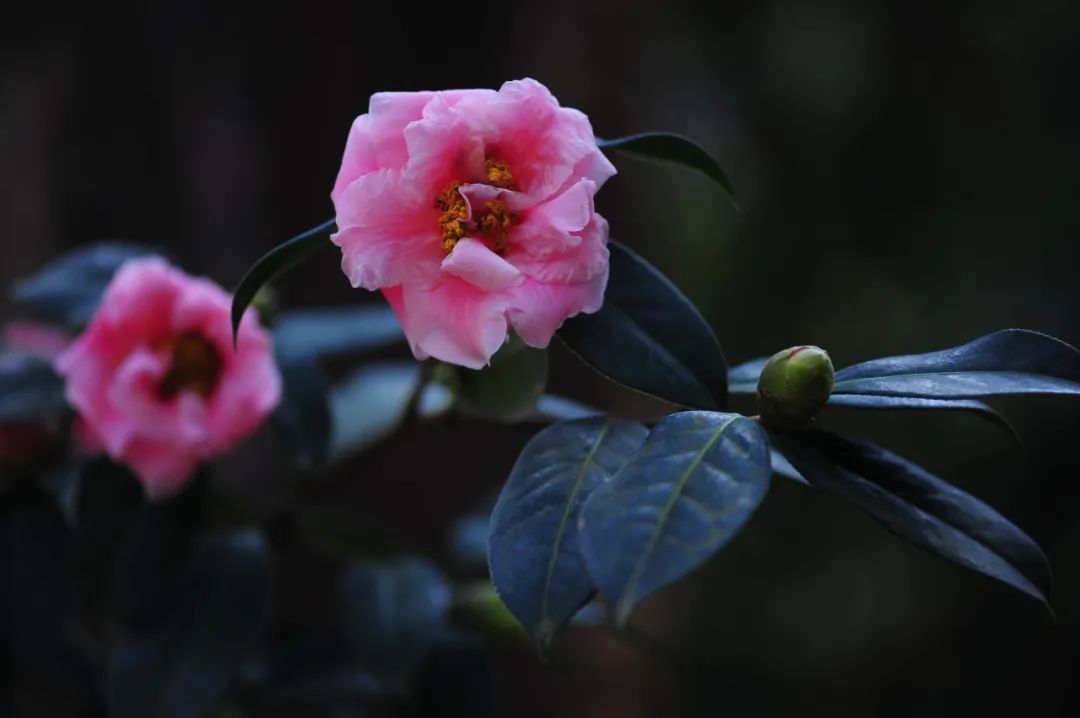
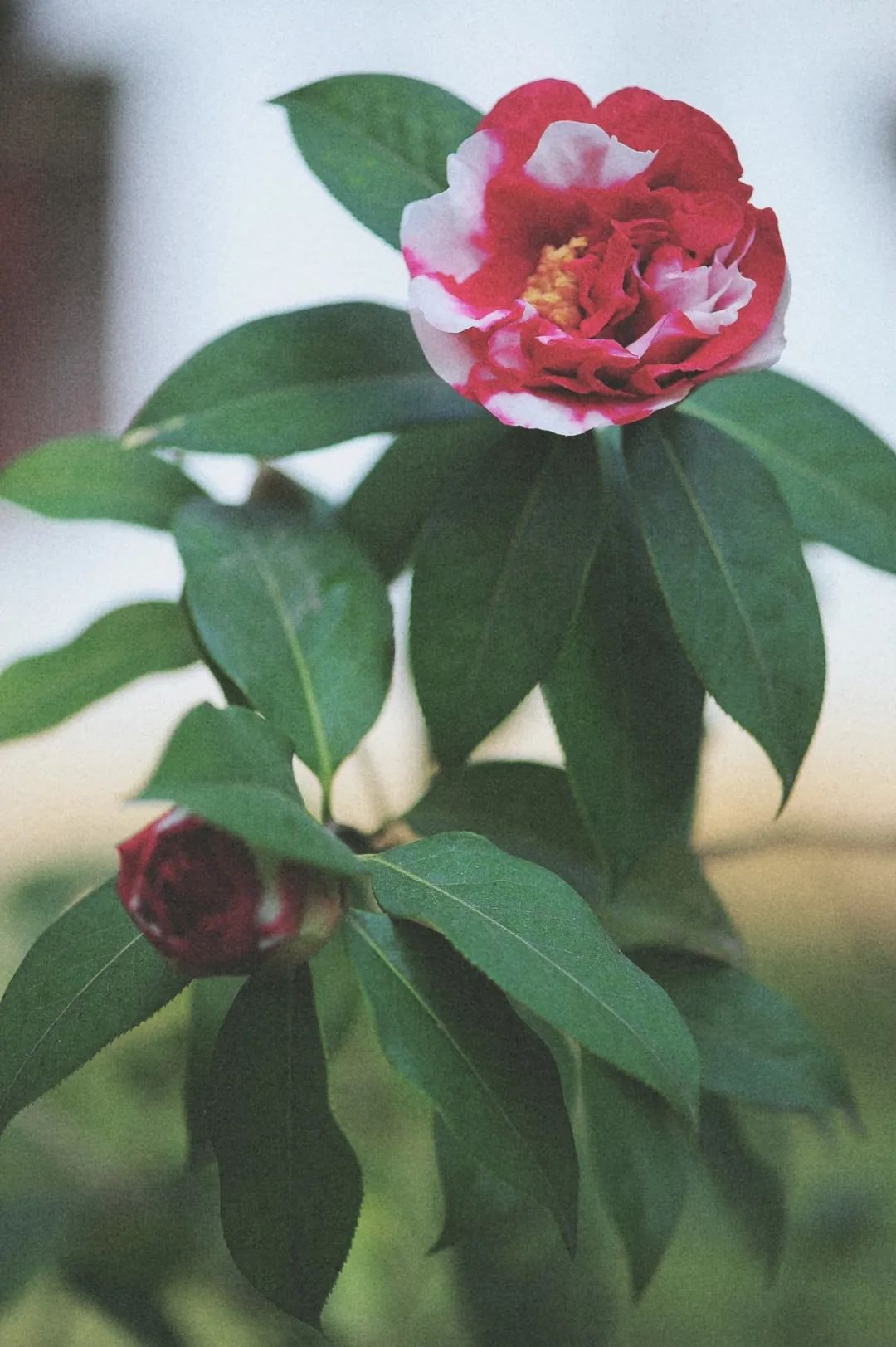
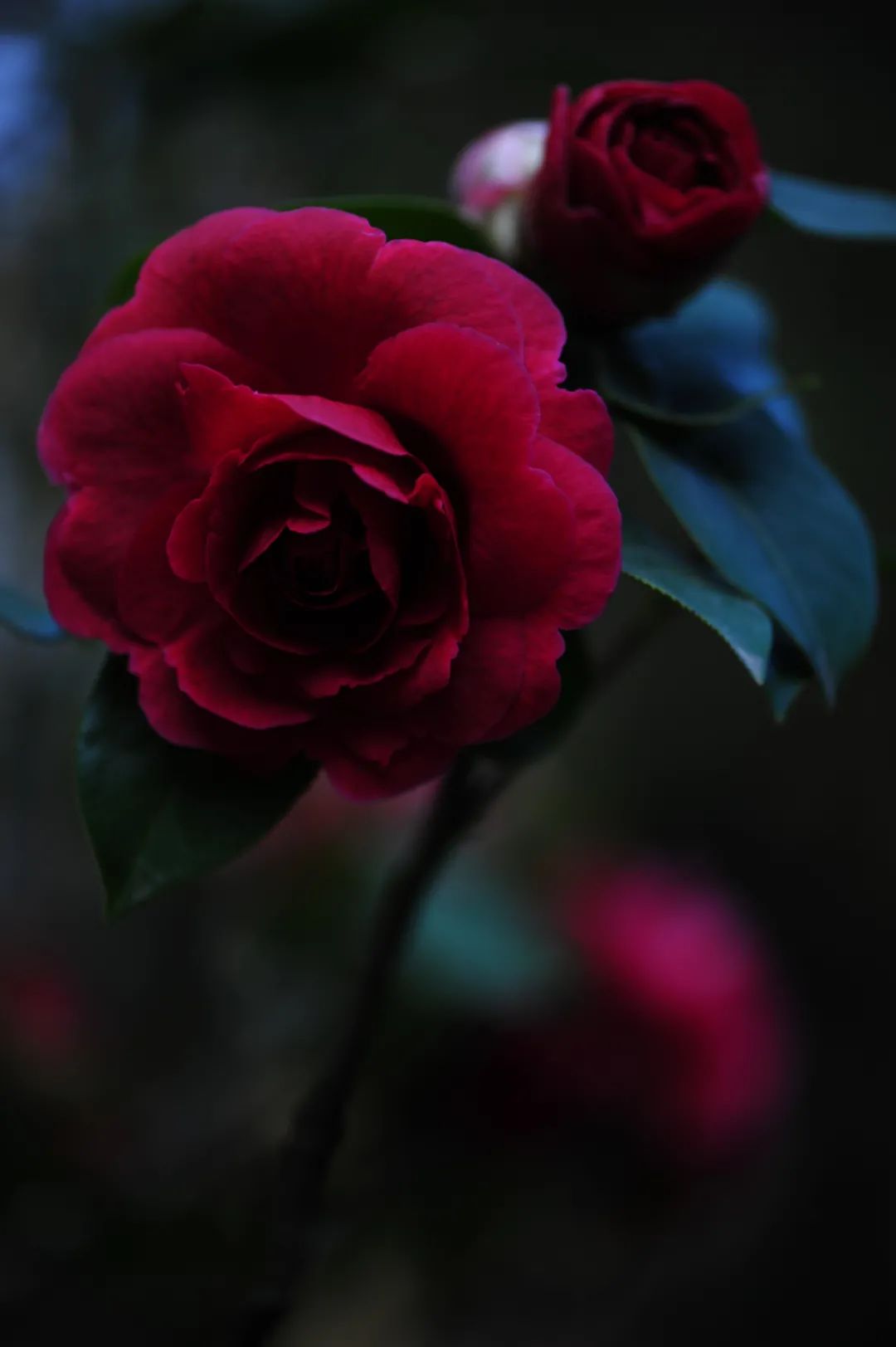
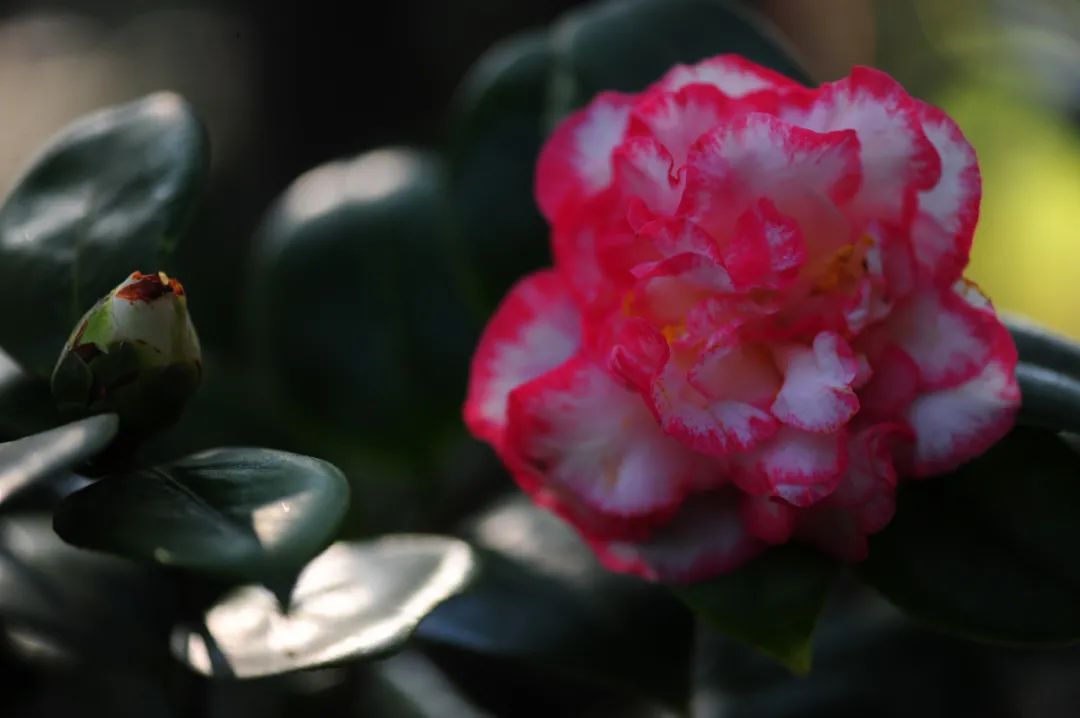
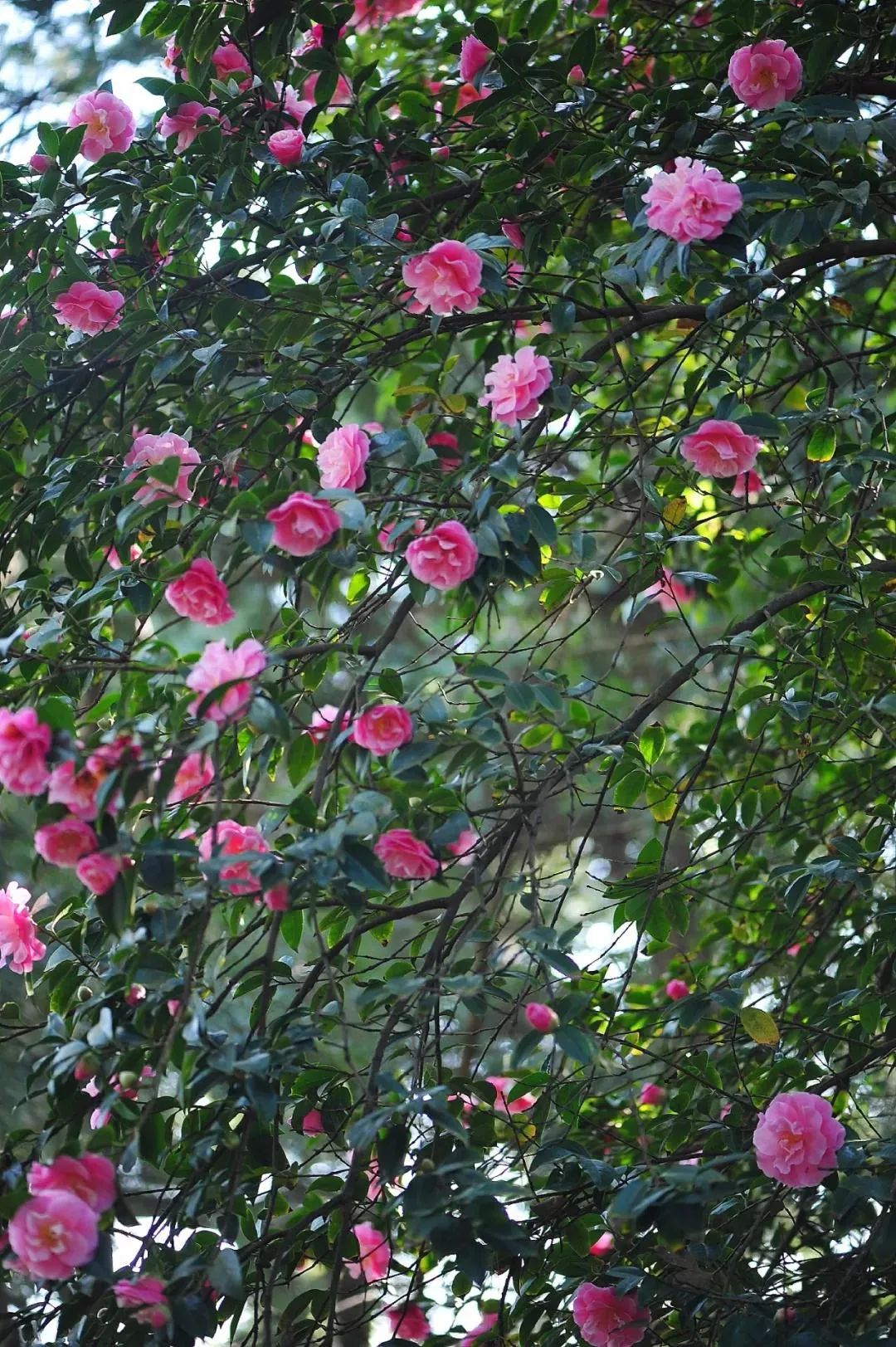
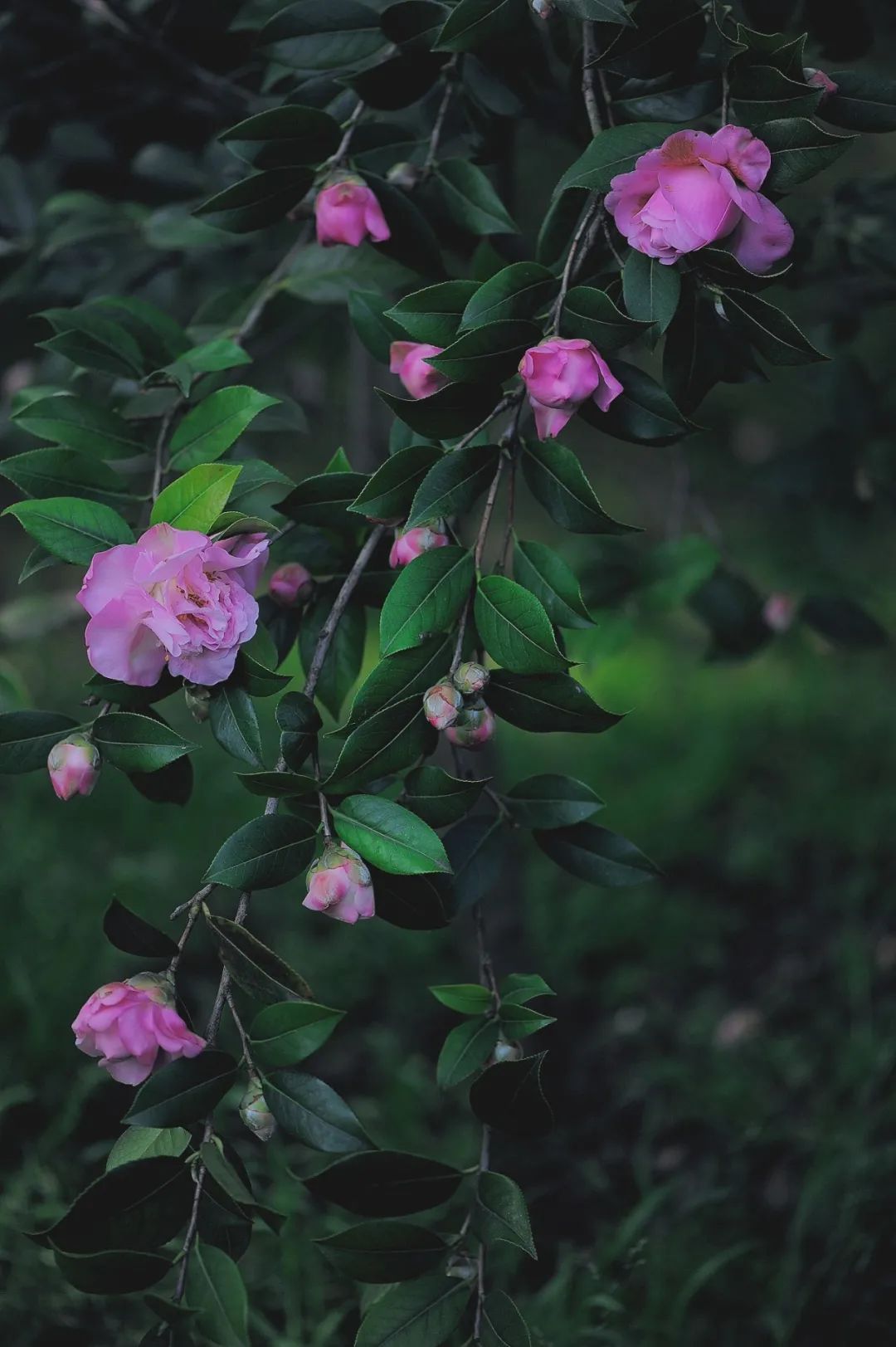
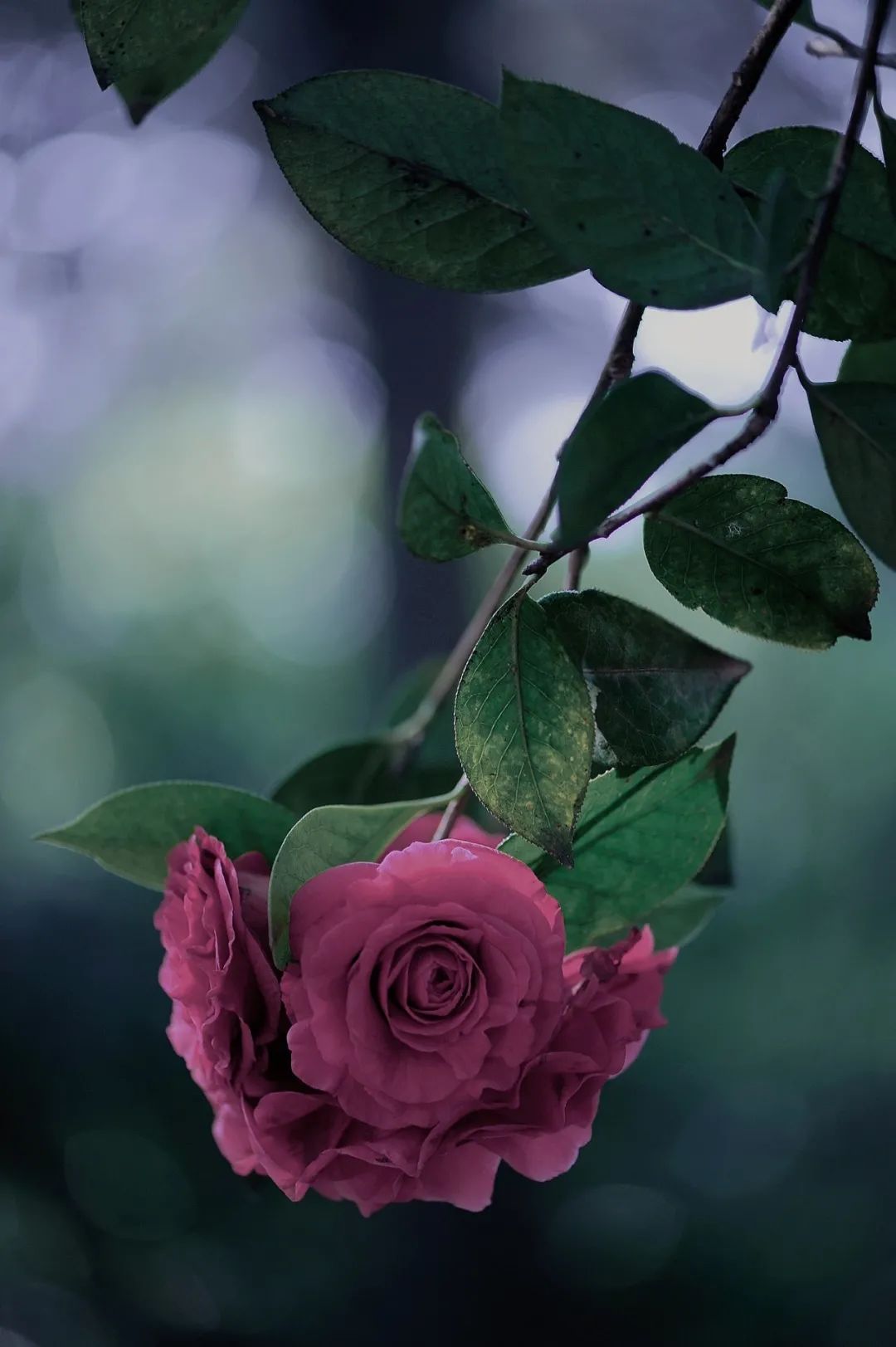
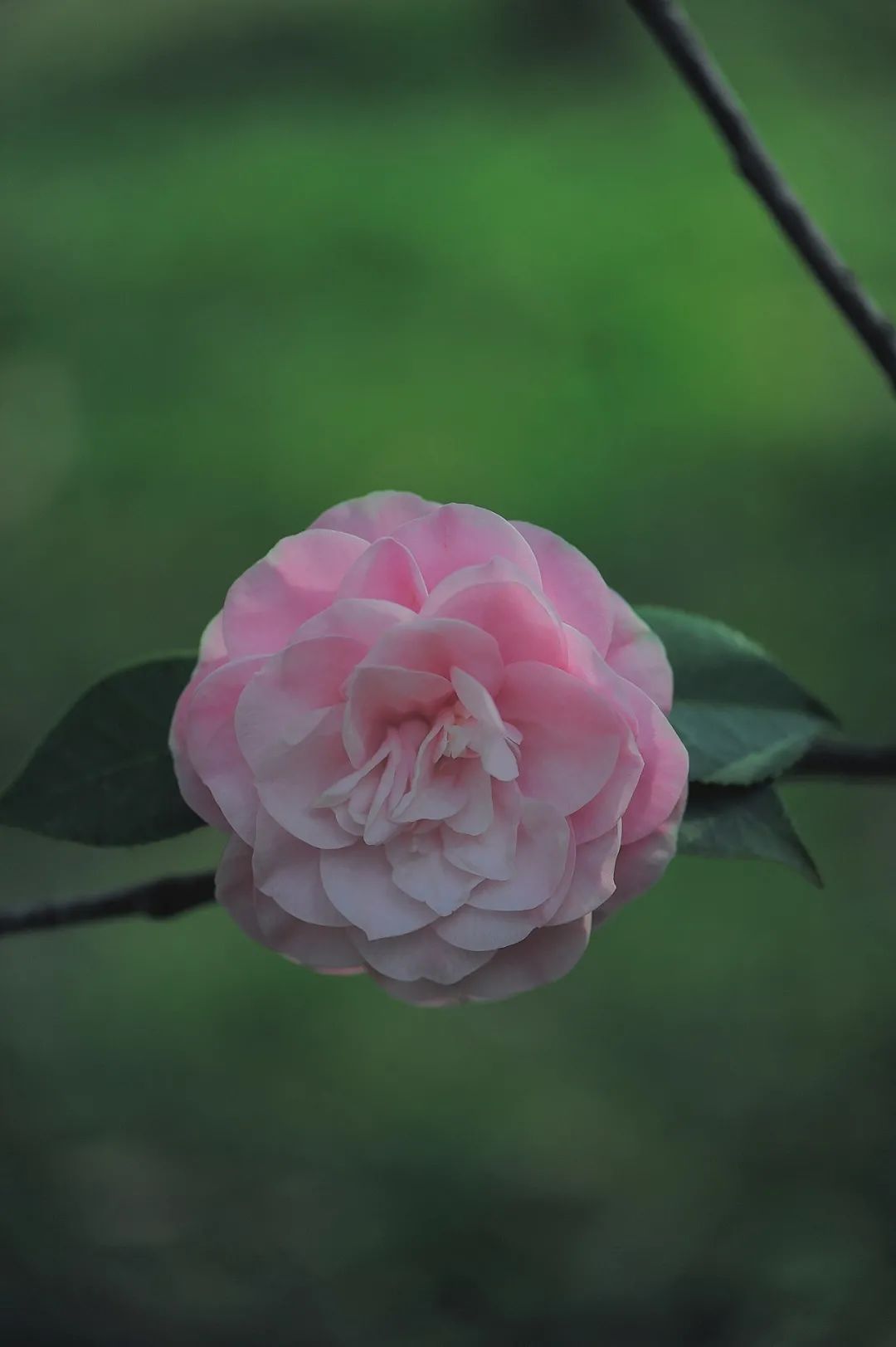
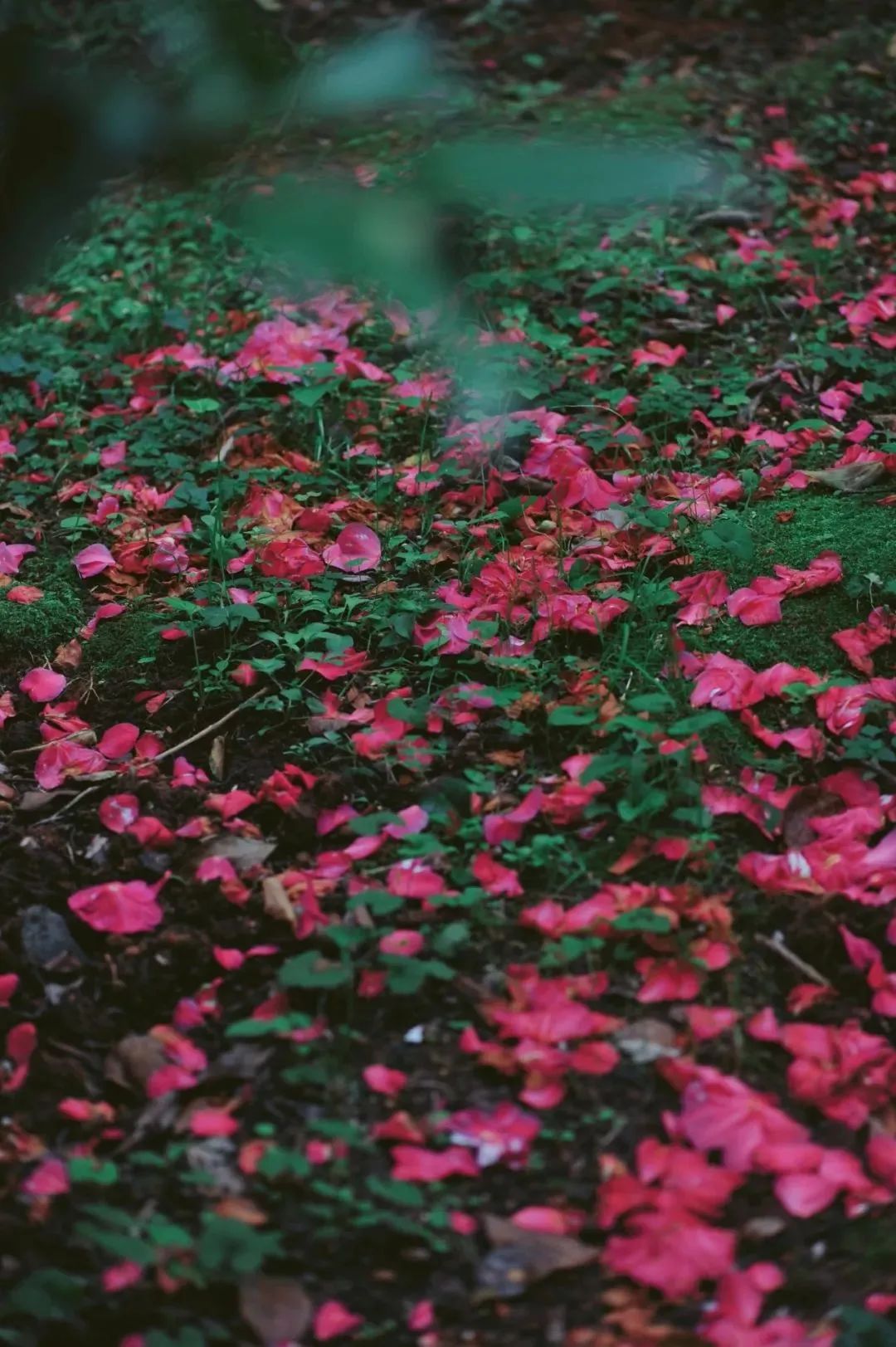
鸣凤山茶漫山遍野盛放之际
小编想一边带大家看花,一边品中国猫科神兽文化
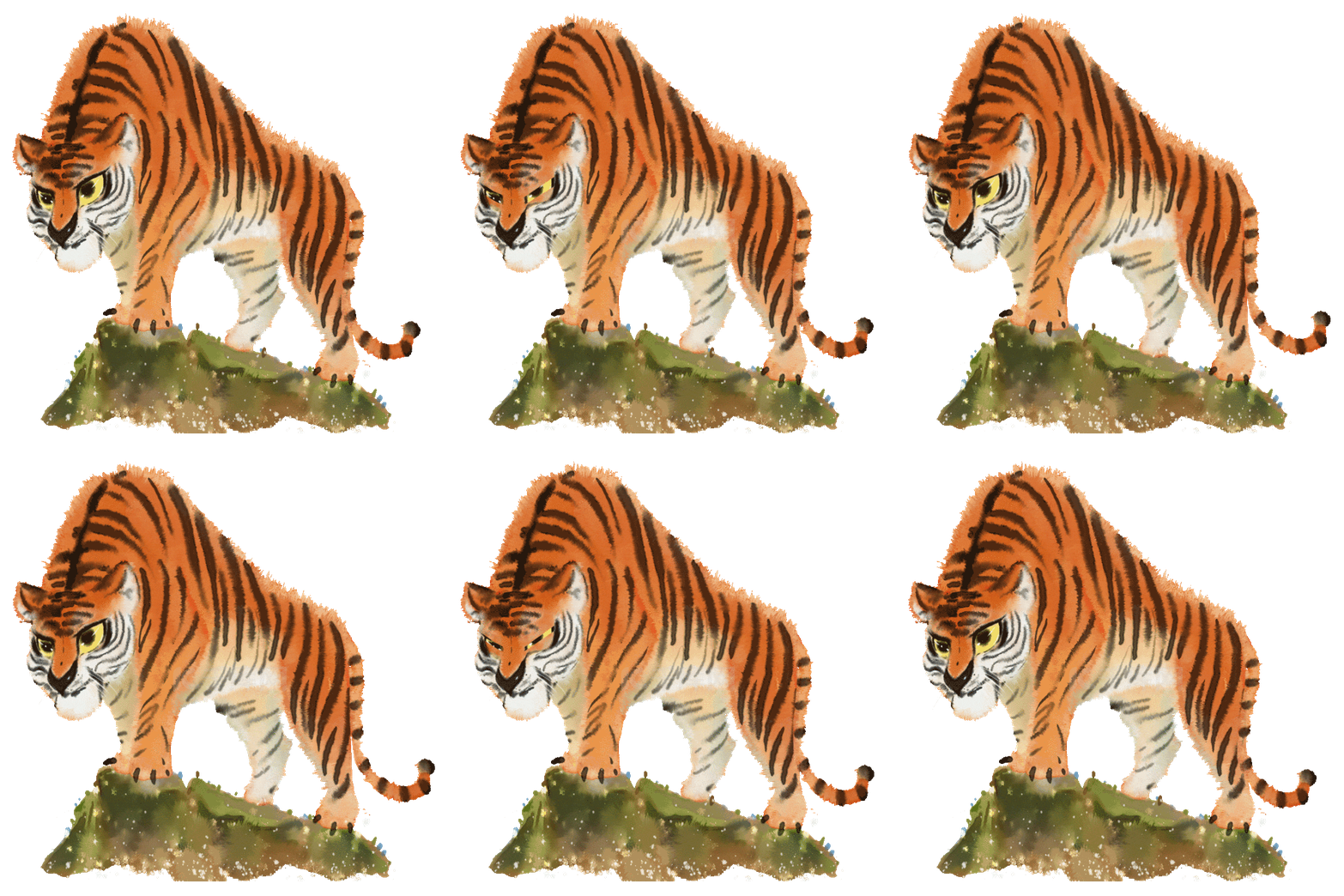
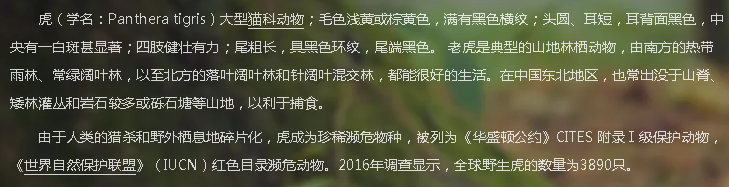
虎文化是中国传统文化的一个极其重要的组成部分。长期以来,虎一直被当作权力和力量的象征,也一直为人们所敬畏。
Tigers are an extremely important part of Chinese cultural tradition. It has long been revered as a symbol of power and strength.
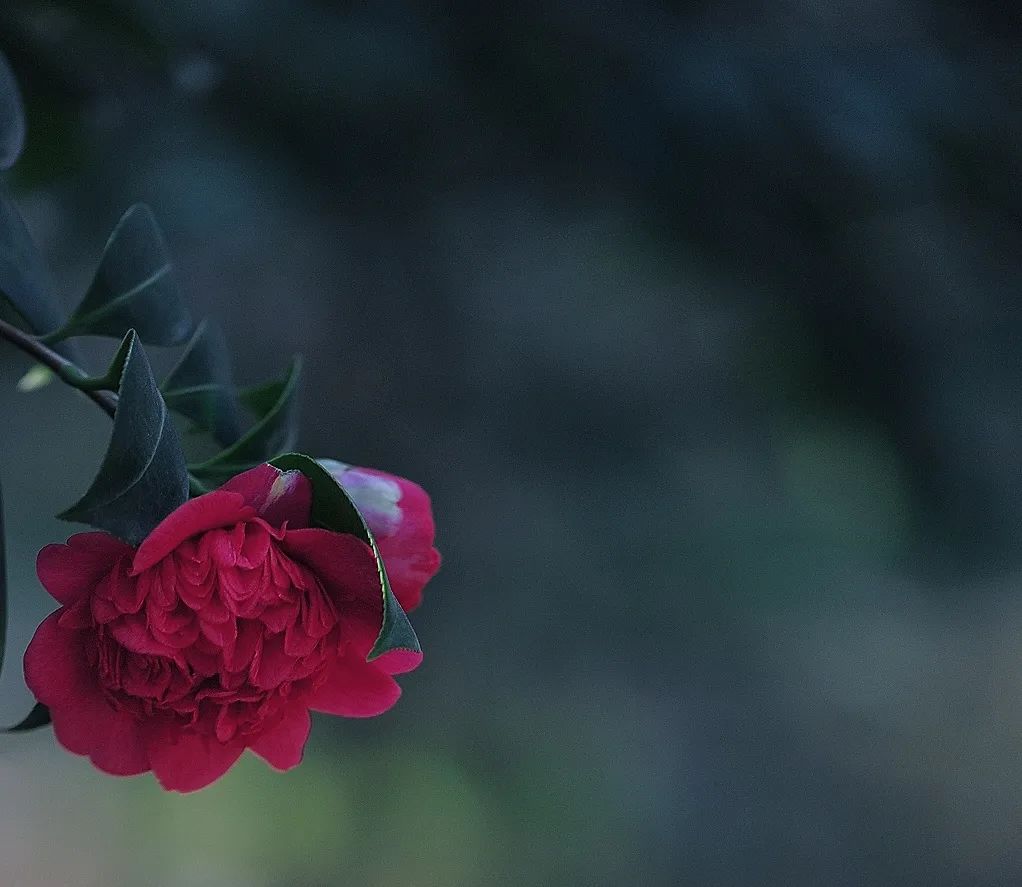
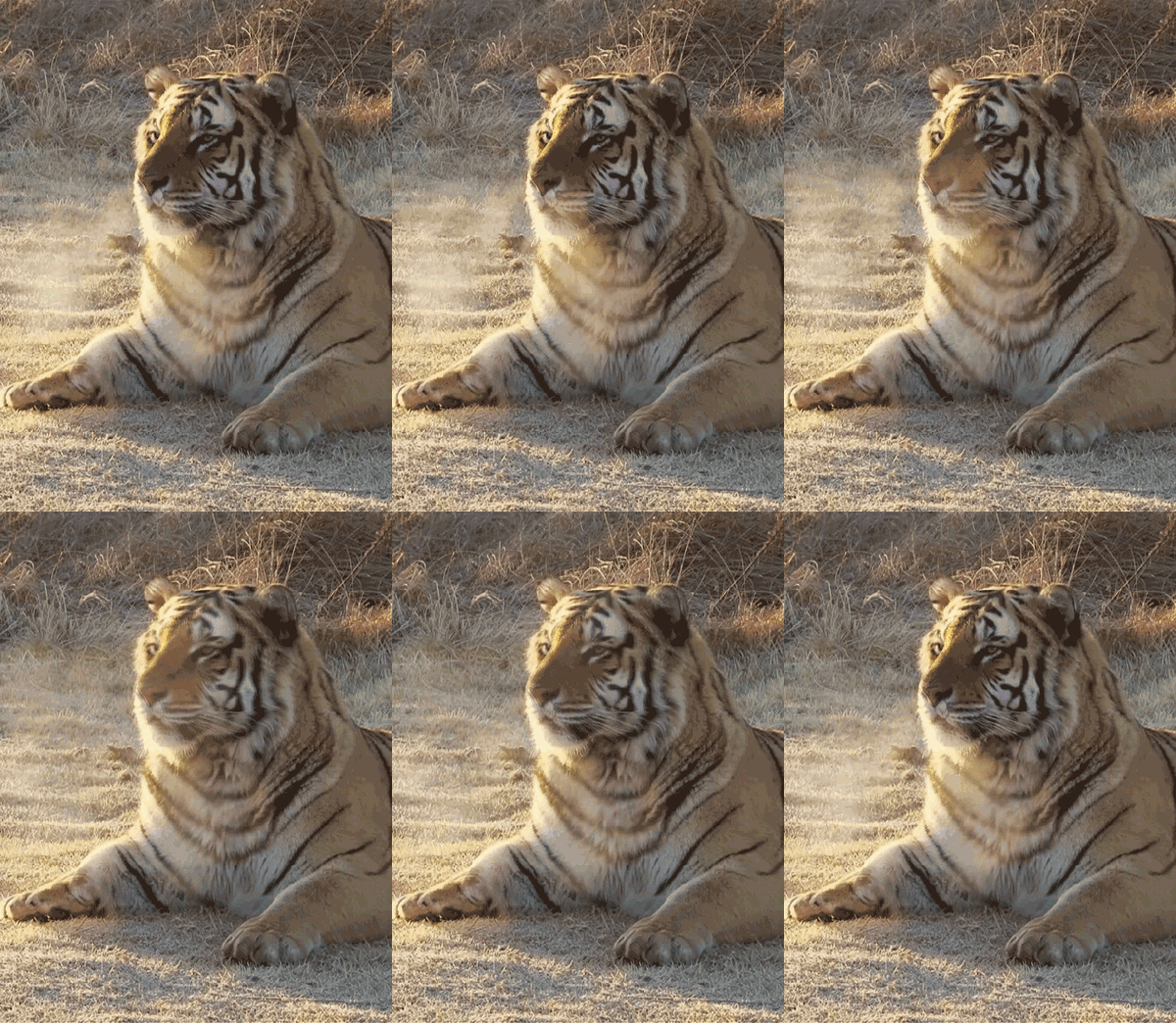
虎前额上的花纹构成中国的“王”字。而据说,“王”字就是由此而来。虎在中国生肖中排位第三,并被认为是世上所有兽类的统治者,出生于虎年的人被认为是英勇的、乐观的。
The pattern on the tiger's forehead forms the Chinese character for "King". In fact, this is where the Chinese character wang comes from. The tiger is ranked third in the Chinese zodiac and is considered the ruler of all animals in the world. People born in the year of the tiger are considered heroic and optimistic.
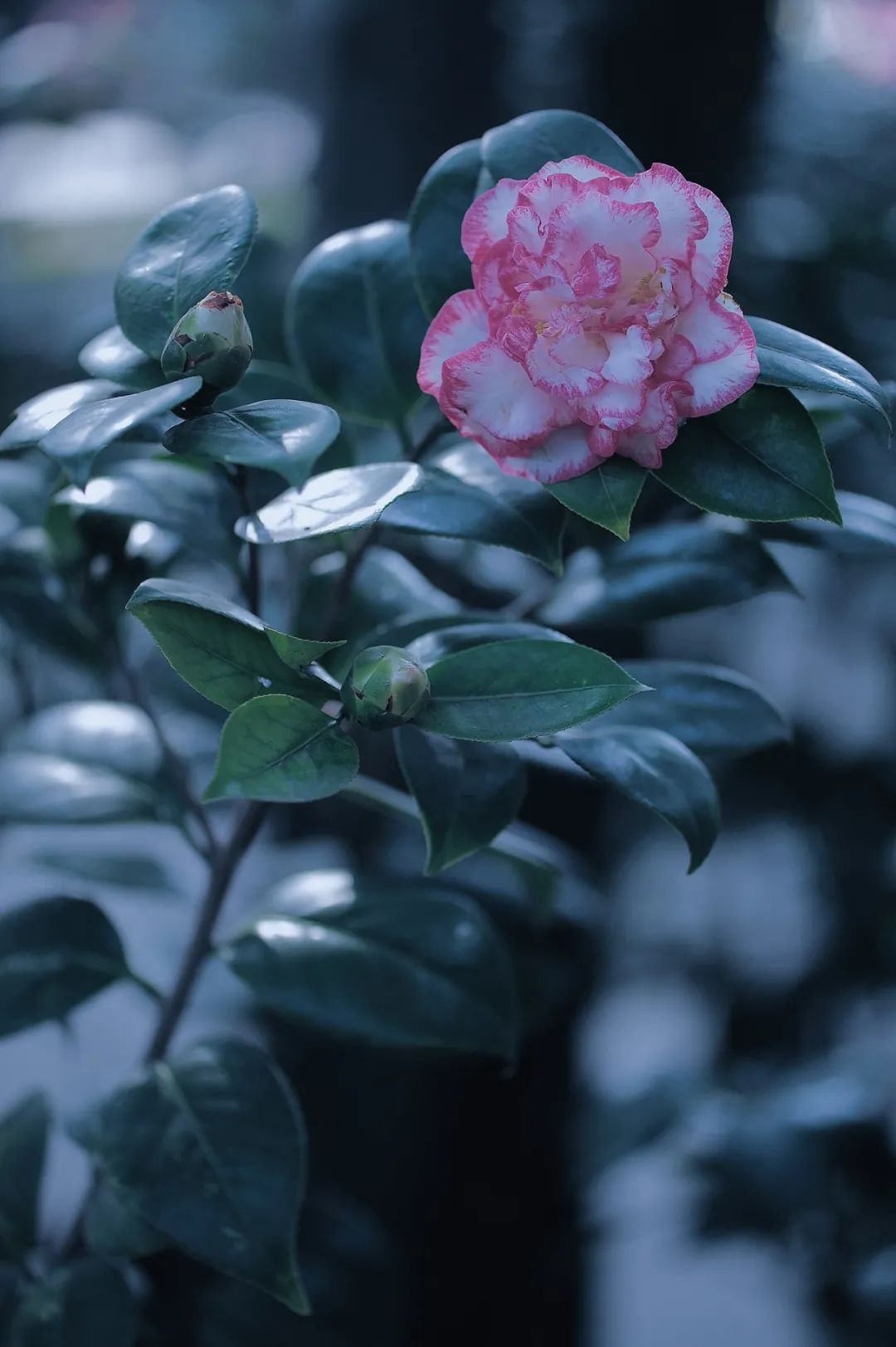
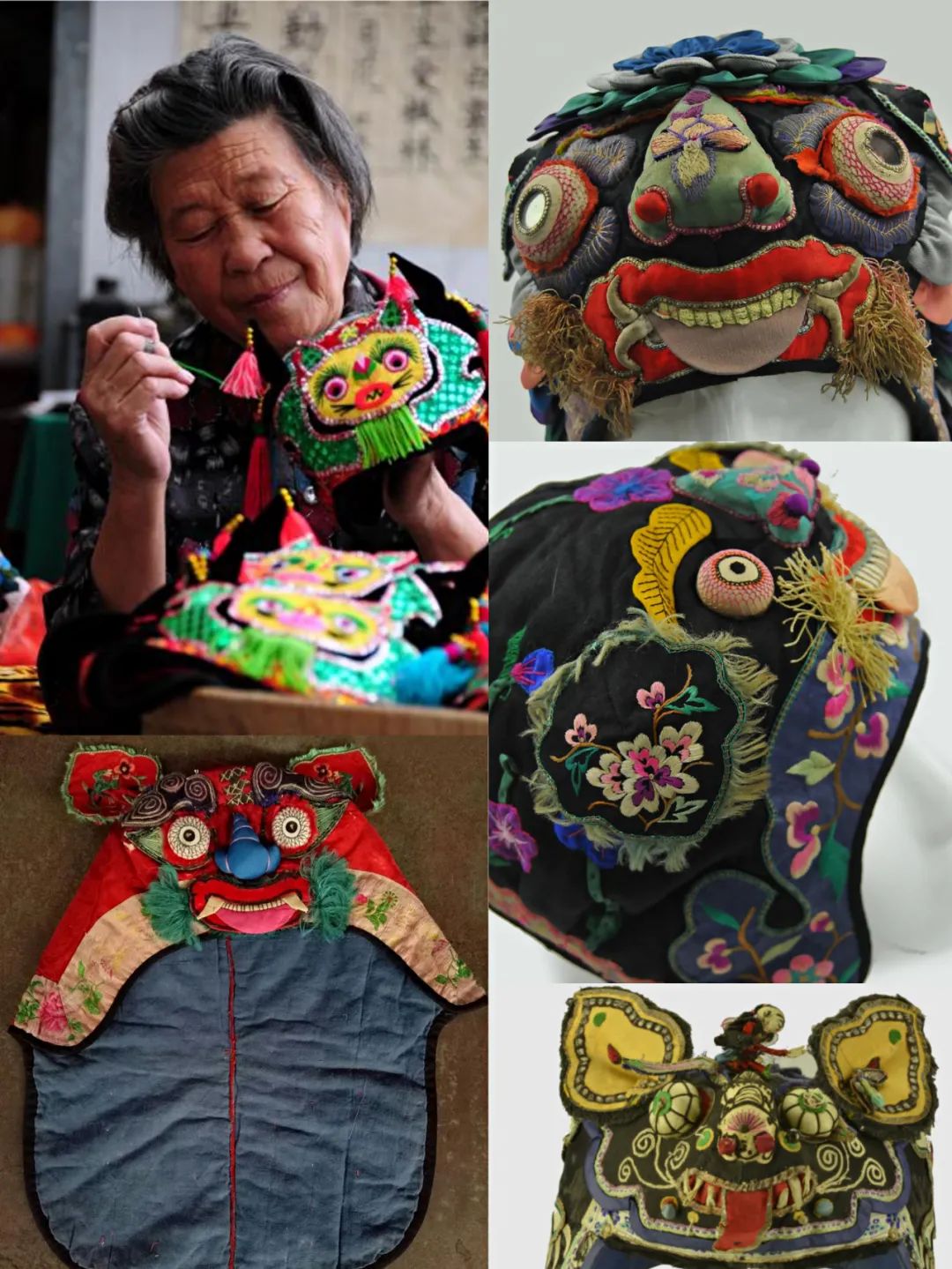
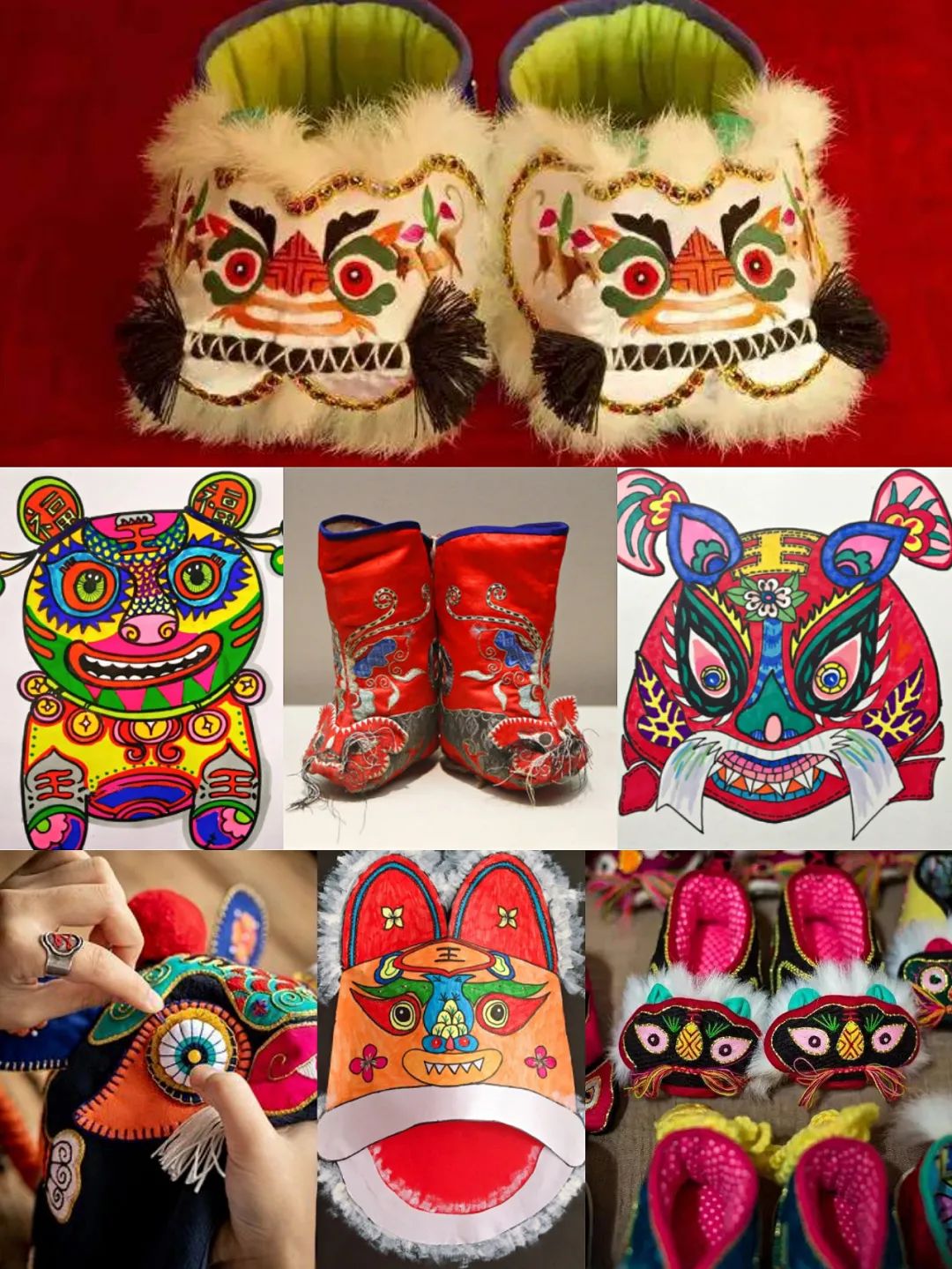
在民间,人们以虎为原型缝制成虎头帽,希望孩子像头戴虎头盔甲的将士一样勇敢威猛;缝成虎头鞋,让孩子一出生就穿上有虎眼的鞋,一生走正道、顺道;有时把老虎做成元宝状,装饰鱼和铜钱,希望老虎帮其看护家财,有时加入朱砂放入家中,镇宅辟邪。
In the folk, people take the tiger as the prototype and sew it into the tiger hats, hoping that the children wear the tiger armor as brave and fierce; Sewn into tiger-head shoes, so that the children are born to wear shoes with tiger eyes, life on the right path;Sometimes the tiger is made into ingot,decorated with fish and copper coins, hoping that the tiger can help them to look after their wealth. Sometimes, cinnabar is added into the home, and evil spirits are kept away in the town house.
有趣的是,中国传统文化将虎以外的狮、豹等大型猫科动物都视为驱邪避凶的猛兽,他们被幻化成各种各样的符号和形象,放置到我们的生活当中。以虎和狮、豹作为题材的绘画、雕塑比比皆是。
Interestingly, in traditional Chinese culture, lions, leopards and other big cats besides tigers are regarded as fierce beasts to ward off evil spirits, and they are transformed into various symbols and images to be placed in our lives. Paintings and sculptures featuring tigers, lions and leopards are everywhere.
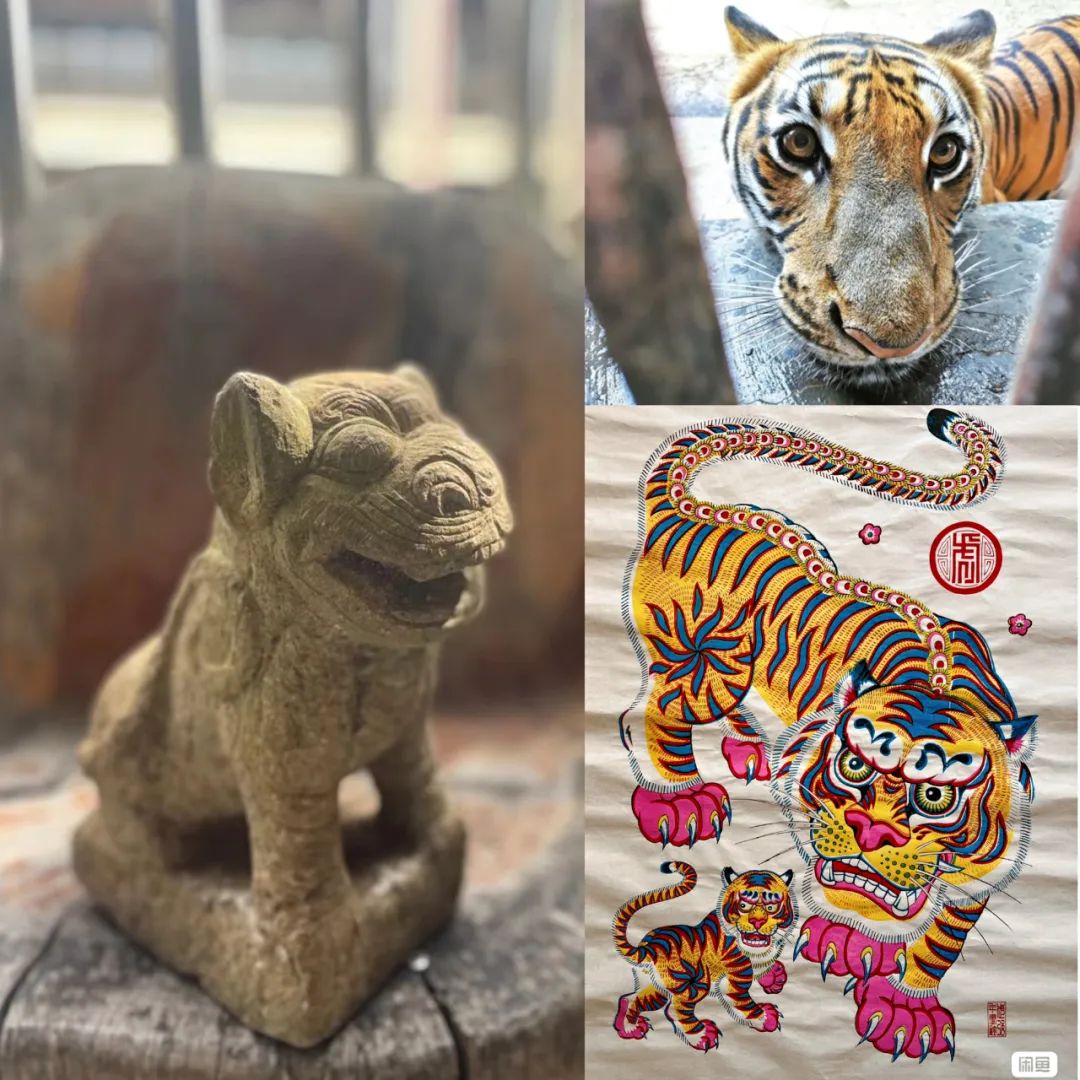
而地处中国西南隅的云南,有着特别的虎文化,或者说有着独特的以猫科动物为原型的神兽文化。我们通常会在古老的宅院屋顶,或者屋前屋后看到以虎、狮为原型的石、木雕塑,它们是用来镇宅、避凶、祈福的“利器”。
Yunnan, located in southwest China, has a unique tiger culture, or mythical animal culture based on cats. We usually see wood and stone sculptures with tigers and lions as prototypes on the roofs of ancient houses or in front and back of houses. They are used as "sharp tools" to keep house, avoid bad luck and pray for good fortune.
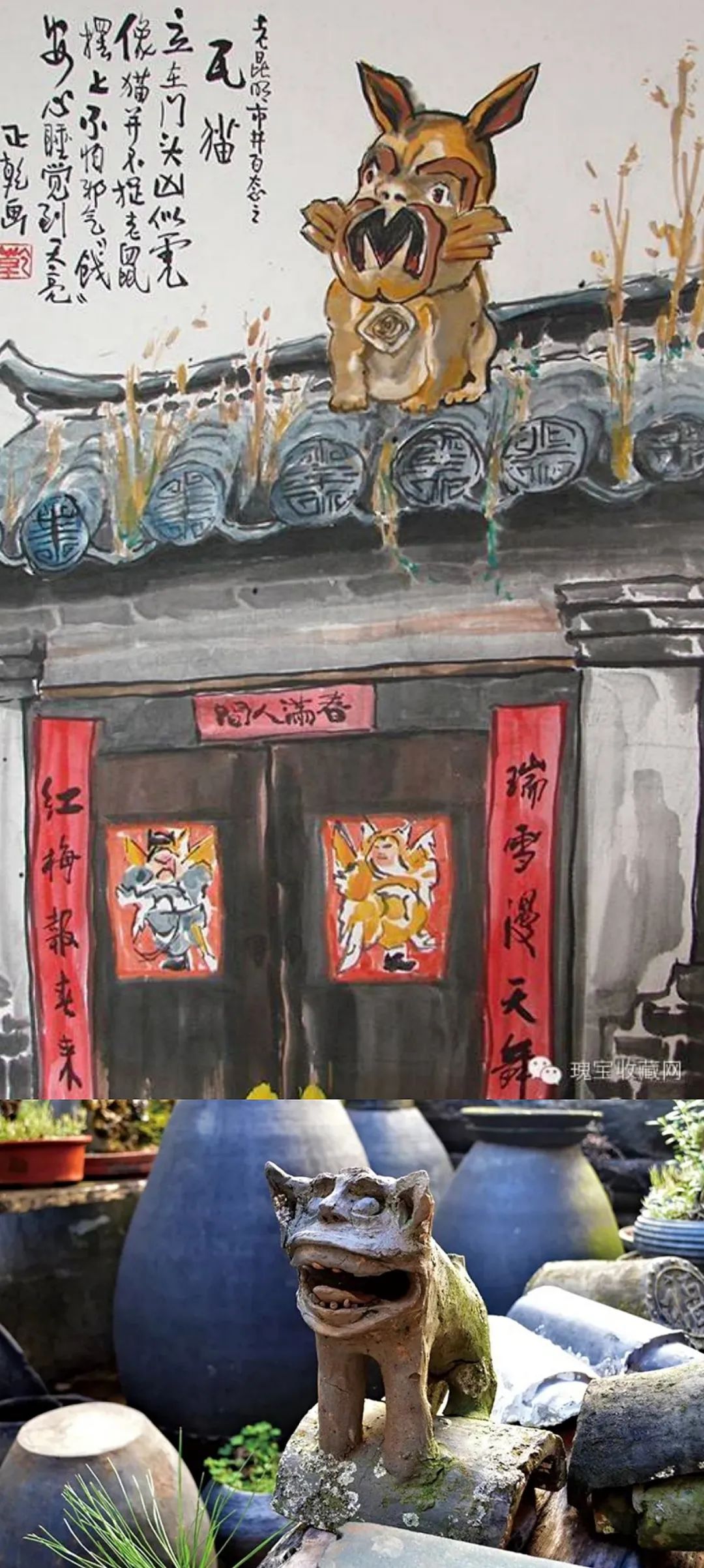
云南的父老乡亲一定熟悉这么一个物件——老房子屋顶或者屋檐下的瓦猫,谓“猫”而非“猫”的民间脊兽。乍一看,它们呆呆萌萌,但仔细一瞧,委实凶悍,多半怒目圆睁,张着血盆大口,满嘴利牙。云南民间有这样的符号认识:“猫就是虎,虎就是猫”,虎是瓦猫的原形。老百姓将高高在上,高大威猛的老虎世俗化了,一改其巨大伟岸的身形,变身为小巧精悍的邻家小宠——“猫” 。小小的瓦猫忠心耿耿,年复一年蹲守在屋顶上,为主人看家护院。
Old folks in Yunnan must be familiar with such an object -- a tiled cat on the roof or under the eaves of an old house, They're called cats, but they're not actually cats. At first glance, they are cute and cute, but on closer inspection, they are really fierce. Most of them have glowering eyes, wide jaws and sharp teeth. Yunnan folk have such symbol understanding: "cat is tiger, tiger is cat", tiger is tile cat's original form. High, tall and powerful tiger secularized, a change of its huge size, into a small and lean neighbor pet - "cat". The tiny tile cat was so loyal that he stayed on the roof year after year, guarding his master's home.
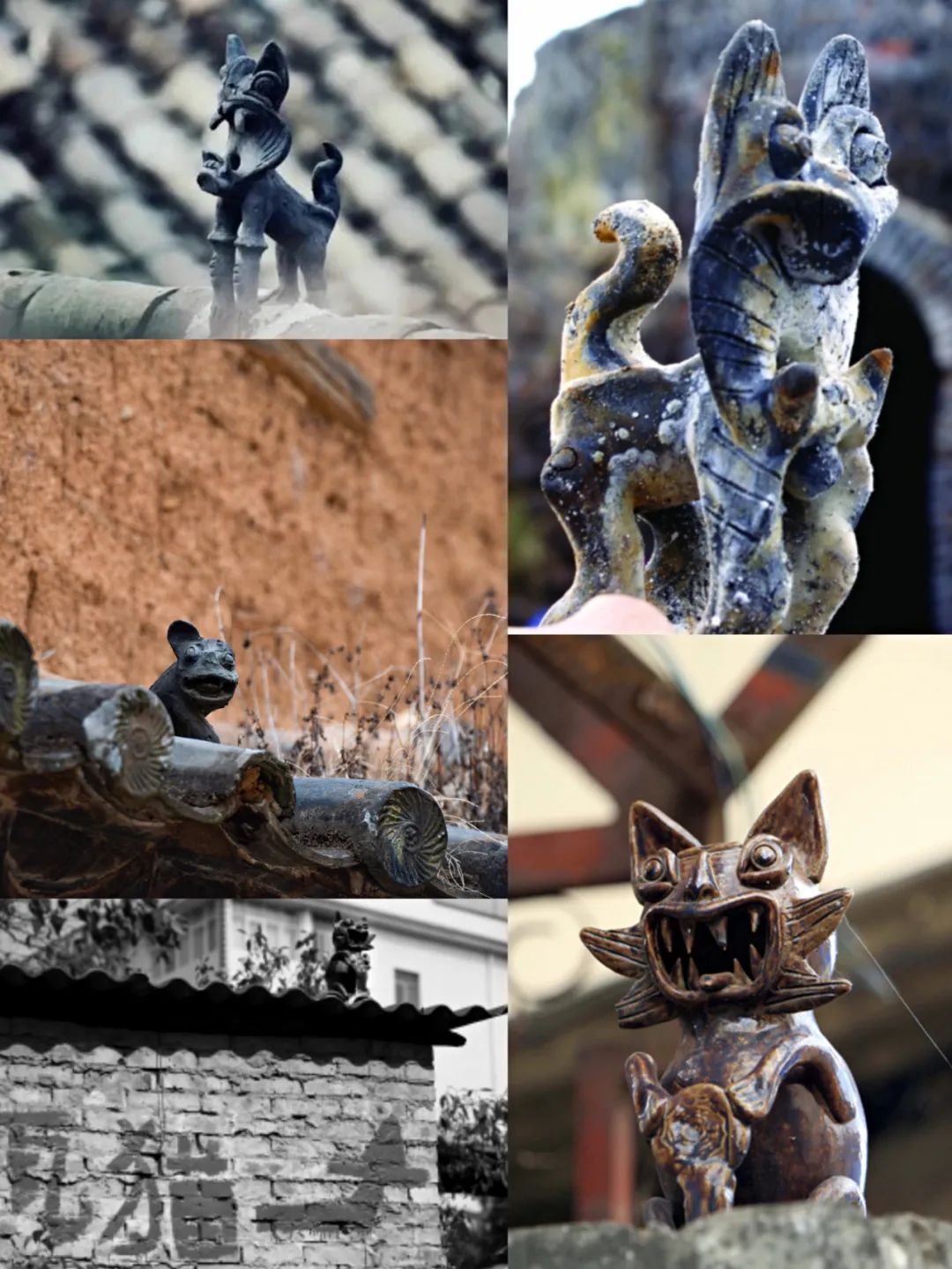
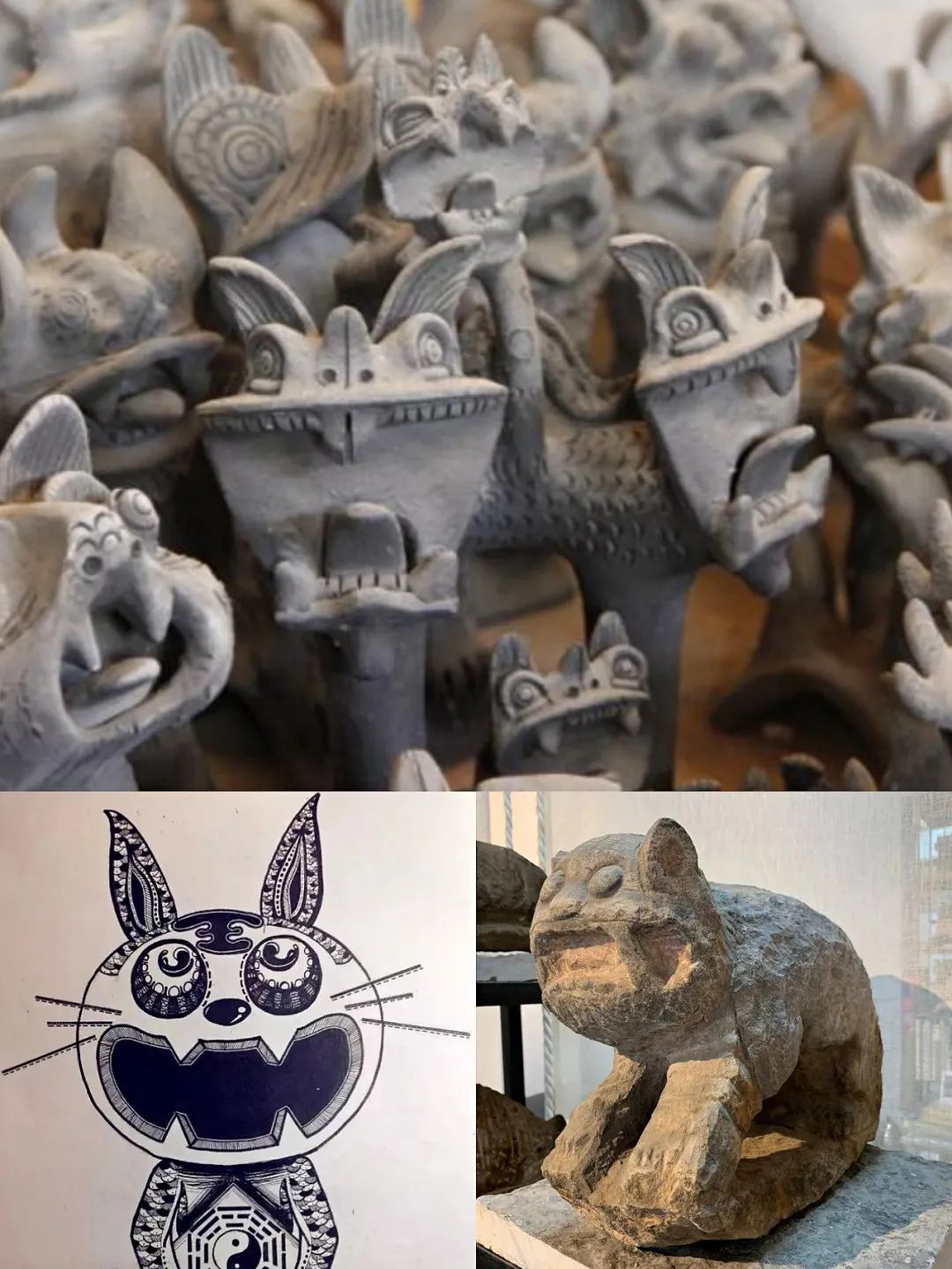
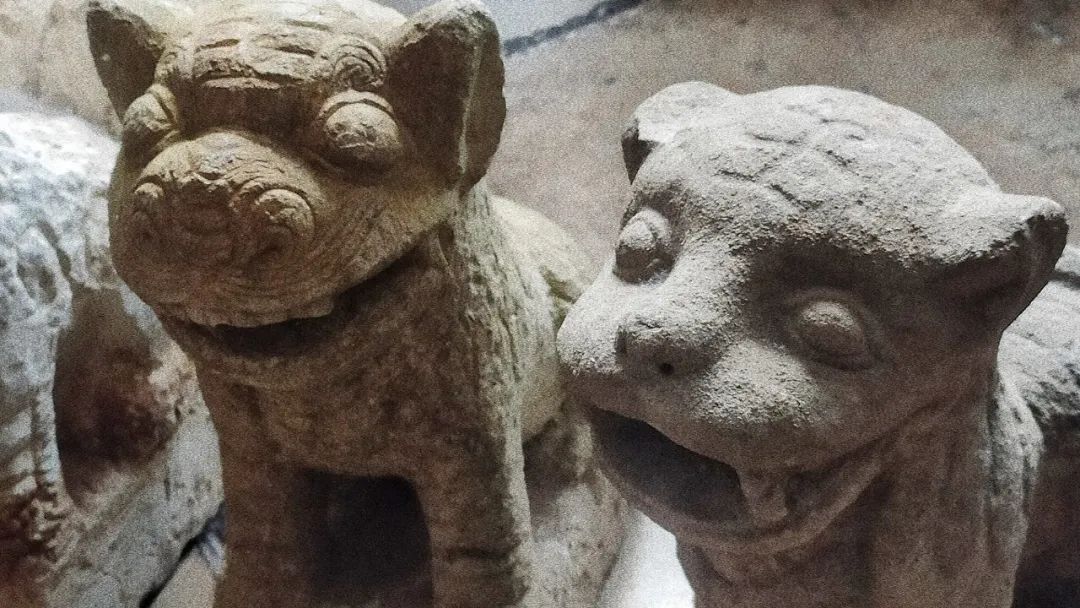 瓦猫与石虎
瓦猫与石虎
瓦猫大多数用陶泥做成。同中国式古建筑的瓦的材料是一致的。但也有少数瓦猫是石头雕成的,我们也称之为小石虎。如上图。
Tile cats are mostly made of clay. It is consistent with the tile material of Chinese ancient architecture. But there are also a few tile cats carved out of stone, we also call them little stone tigers. As shown above.
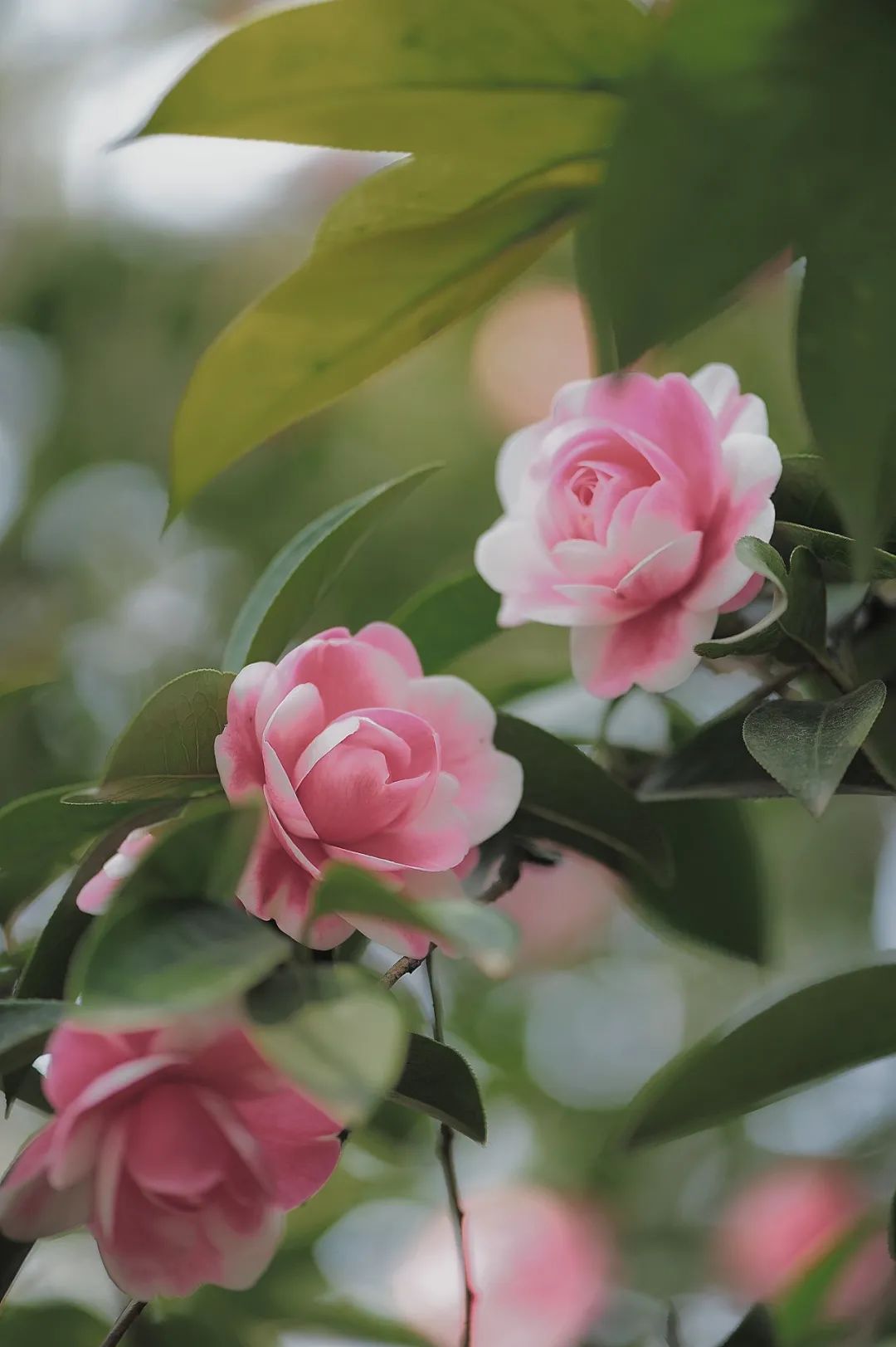
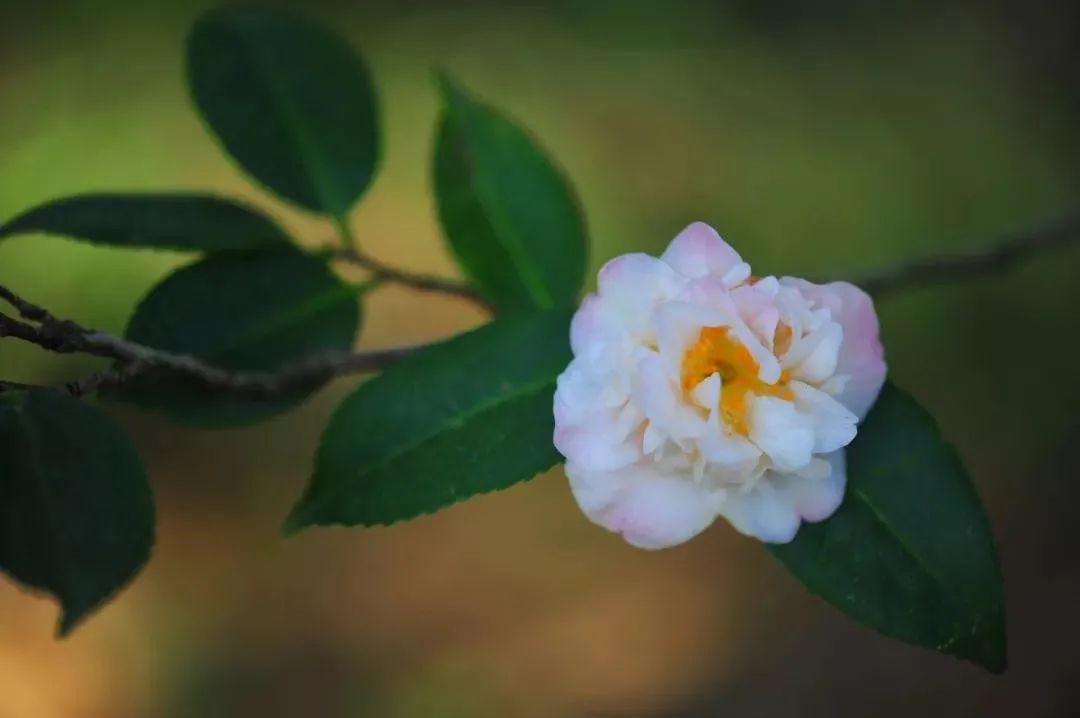
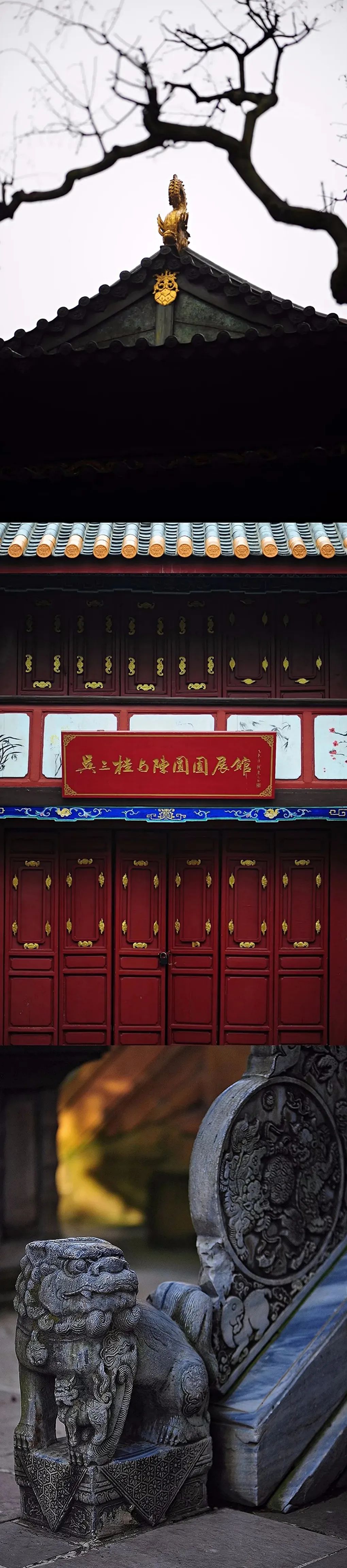
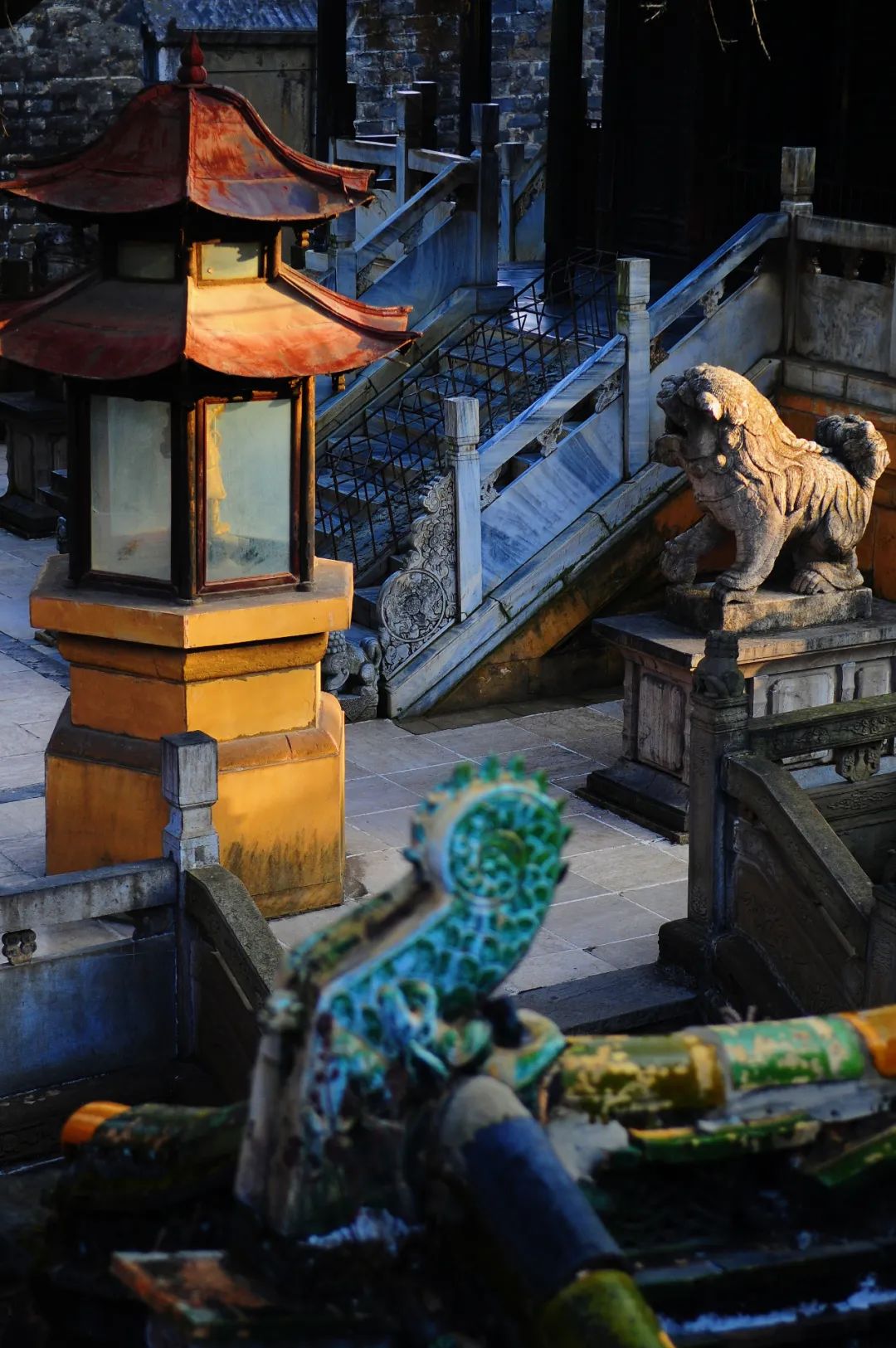
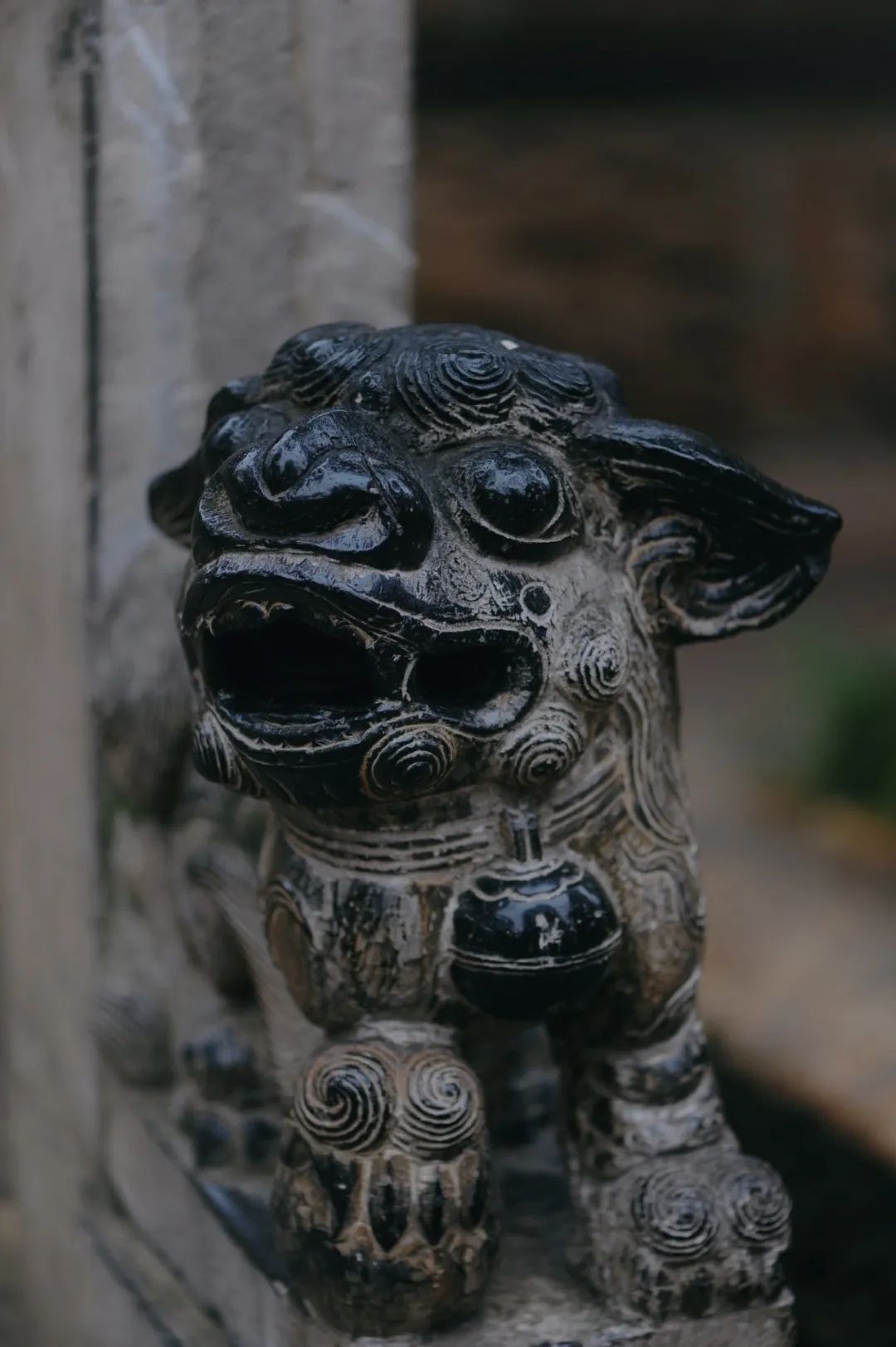
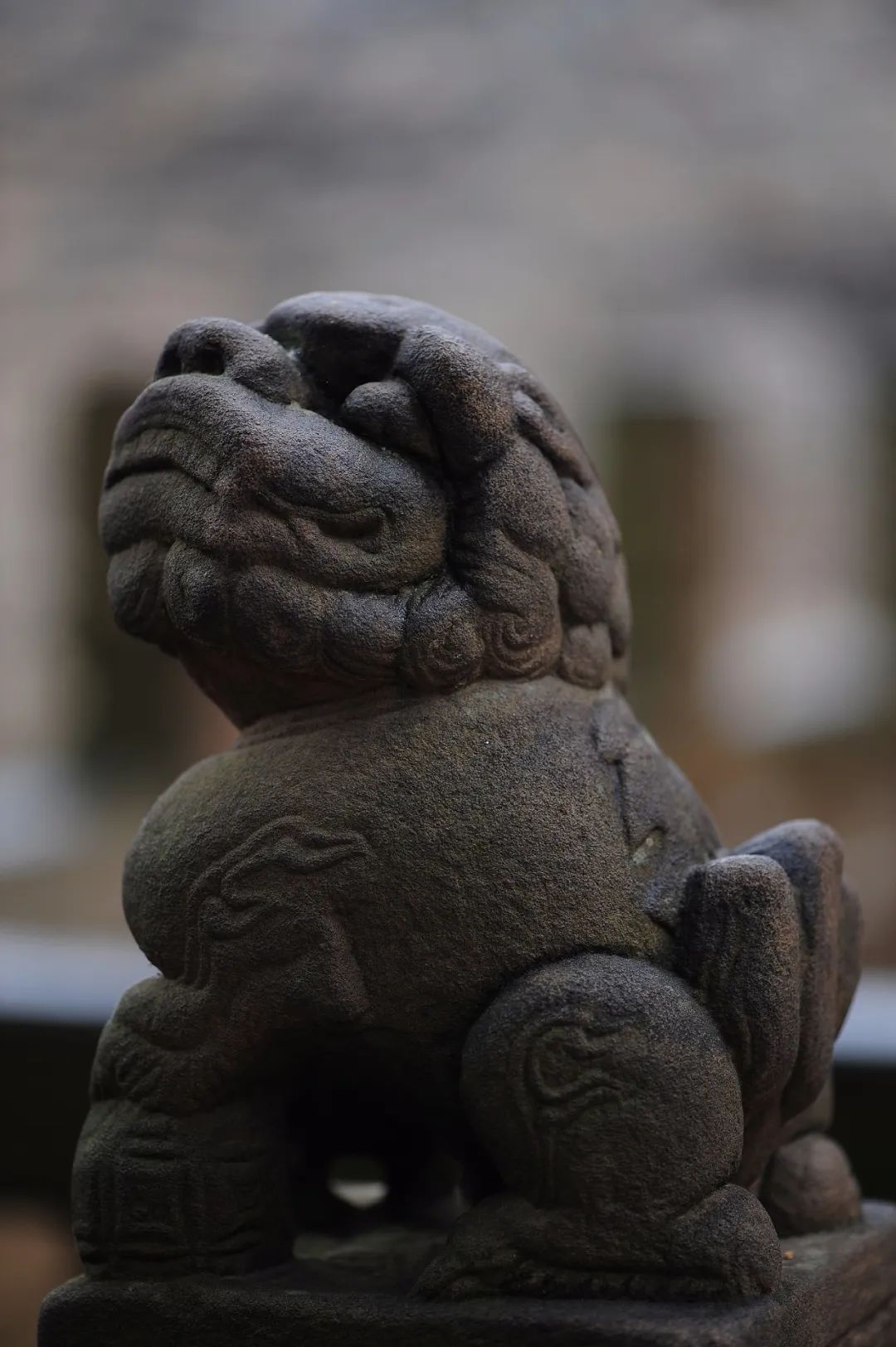
今天,小编还要带大家看看另一种猫科神兽。它们遍布金殿名胜区古建筑群,是那里不能或缺的组成部分,也是中国古建筑文化中的吉祥元素。
Today, We are going to take a look another mythological beast. They are all over the ancient buildings in The Golden Temple area, which is an indispensable part and an important auspicious element in Chinese ancient architectural culture.
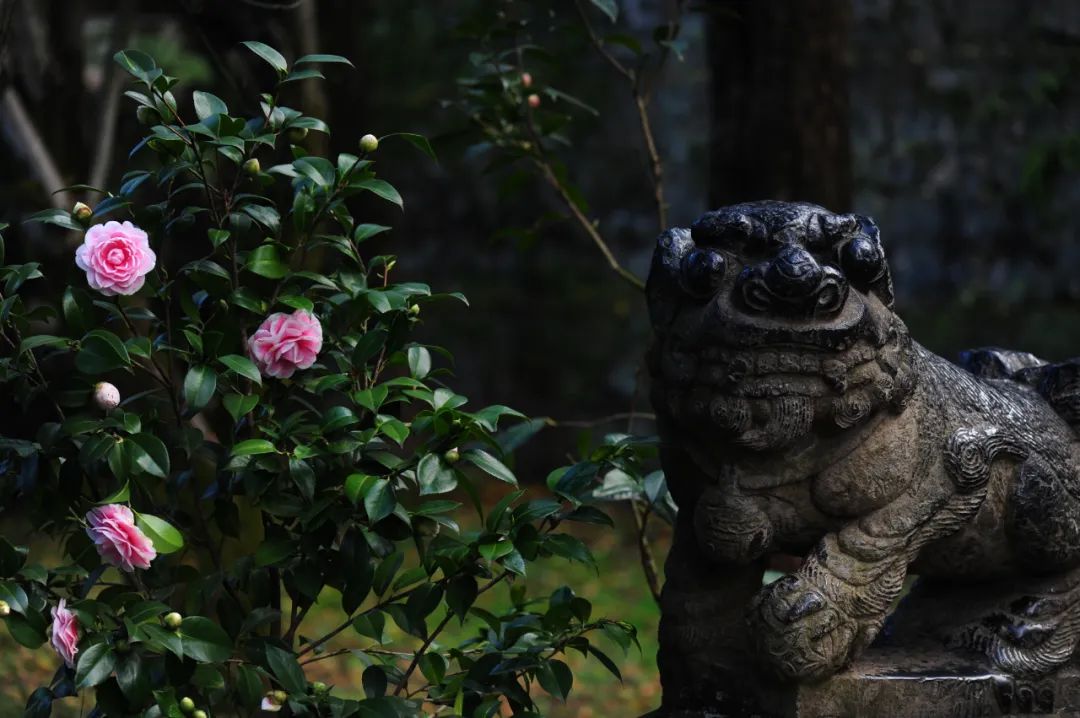
对,您没看错,石狮,与虎同科的另一种神气活现,体型巨大的猫科神兽。它们地位相当,同为镇宅辟邪纳福的吉兽。
Yes, you are right, stone lions, another swaggering, huge mythological beast of the same family as tiger. Their status is similar, with the town house exorcising evil, lucky beast.
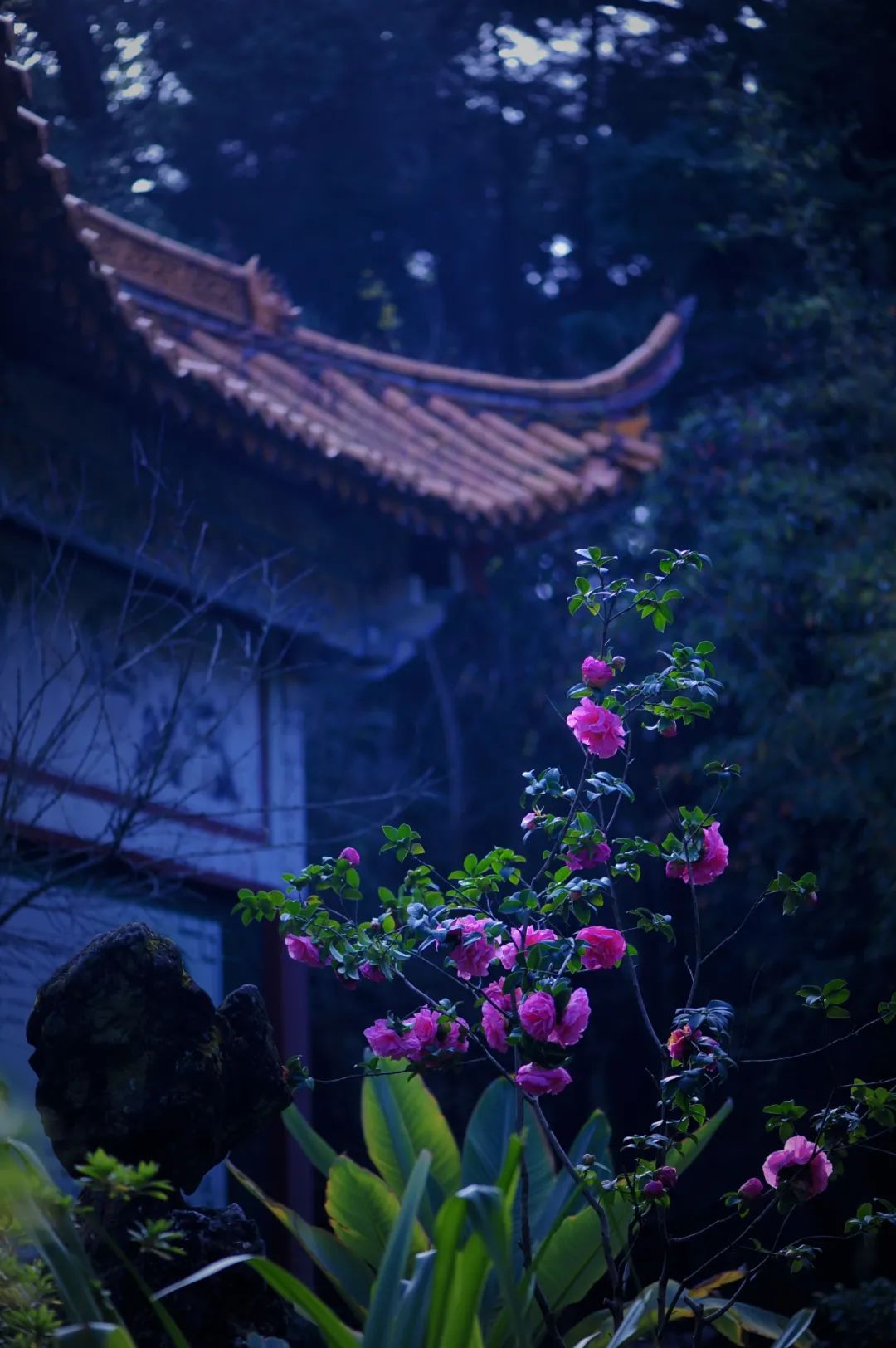
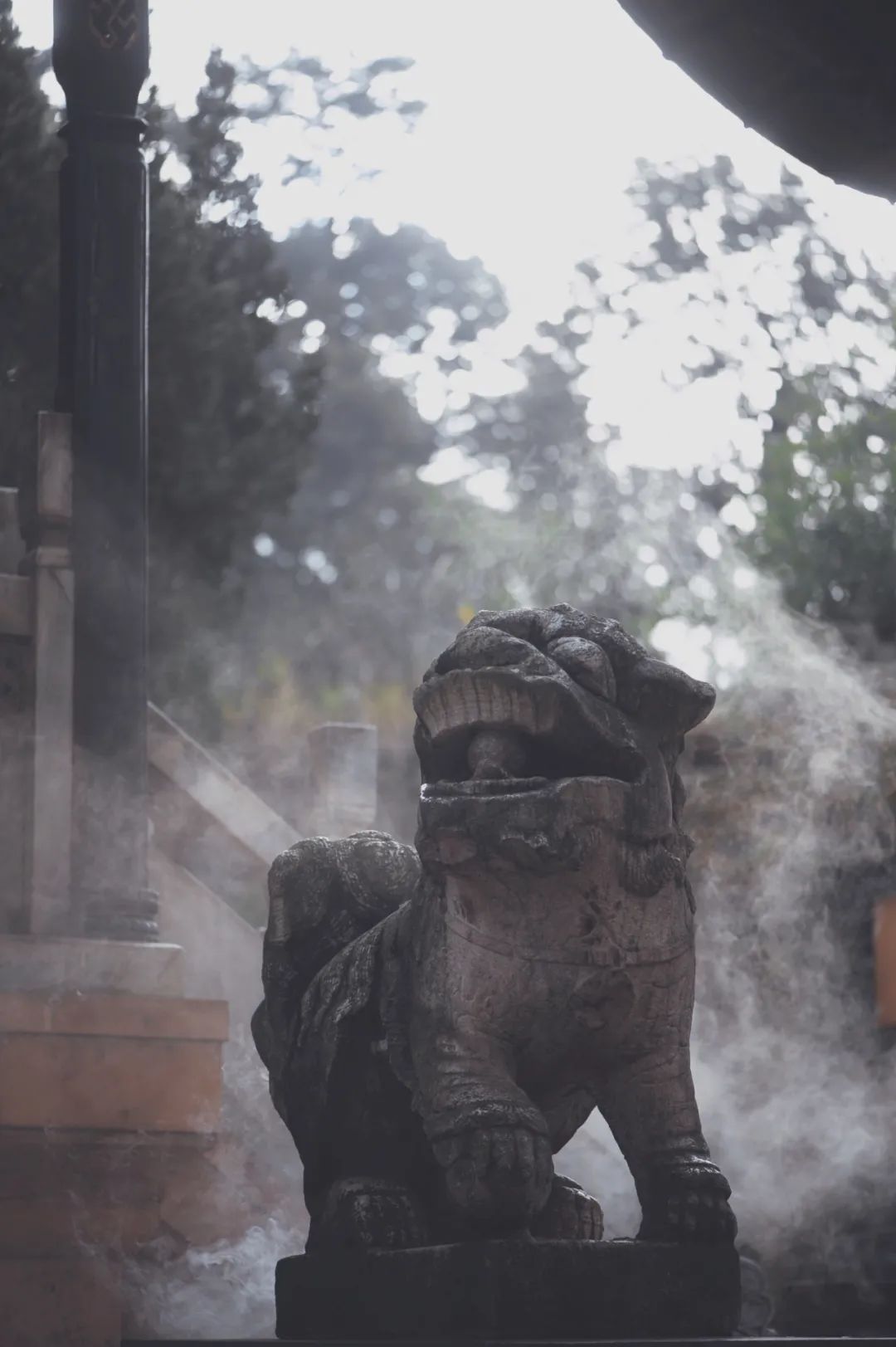
牌坊、山门、楼阁、亭台、庙宇、殿堂、须弥座台阶,在金殿,这些大家熟知的古建筑两侧都摆放有石狮。大小不一,形态不一,材质不一,千奇百怪,生动有趣。
Archways, mountain gates, pavilions, pavilions, temples, halls, and sumeru throne steps in The Golden Tempel, these well-known forms of ancient architecture are flanked by stone lions. Size is different, shape is different, material is different, strange, vivid and interesting.
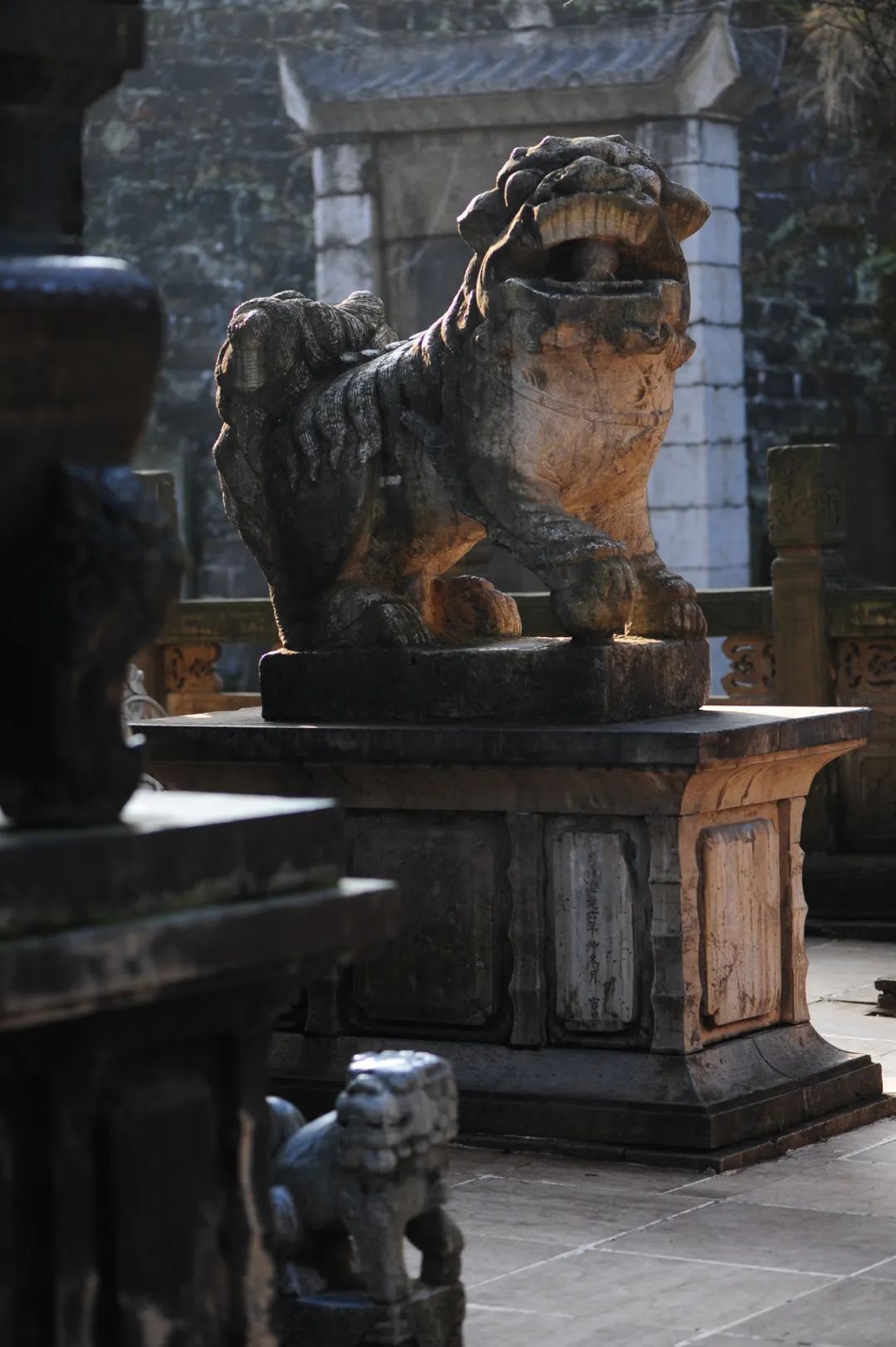
中国实际上没有狮子这种动物。狮子原产地在非洲、印度、南美等地。汉武帝时,张骞出使西域,开启了中国与西域各国的交往,狮子才得以进入中国。这在当时的国都洛阳引起了不小的轰动。从此,狮子这远道而来的客人开始走入中国人的民俗生活,不仅受到礼遇,而且国人对它厚爱有加,尊称之为“瑞兽”,与老虎一样被称为兽中之王。
There are virtually no lions in China. Lions are native to Africa, India, South America and other places. During the reign of Emperor Wudi of the Han Dynasty (206 BC-AD 220), Zhang Qian, an envoy to the Western Regions, introduced the lion to China. This caused quite a stir in the capital Luoyang. From then on, the lion, a guest from afar, began to enter the folk life of the Chinese people. He was not only treated with courtesy, but also loved by the Chinese people. He was called the "auspicious beast" and like the tiger, it is called the king of beasts.
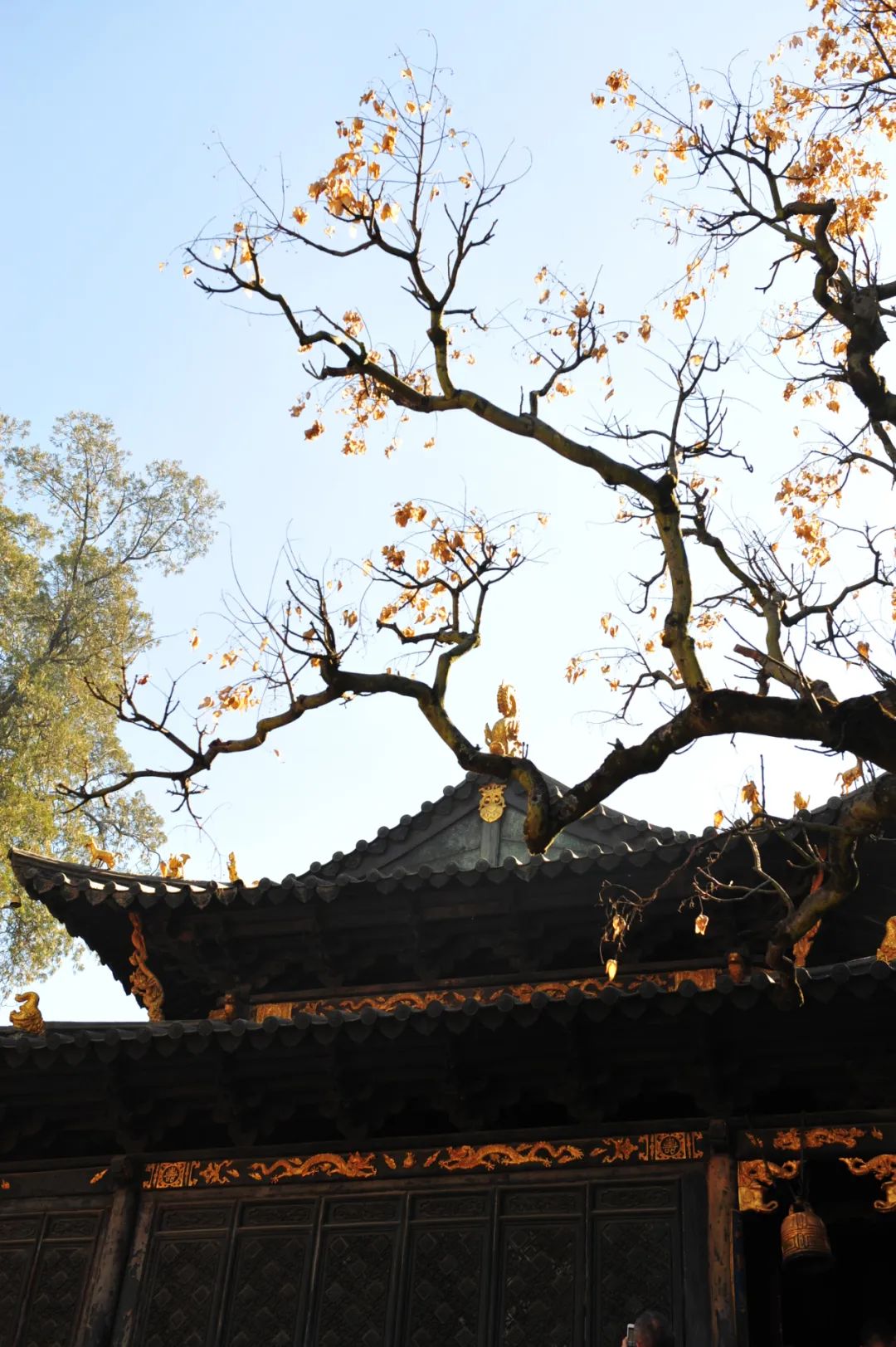
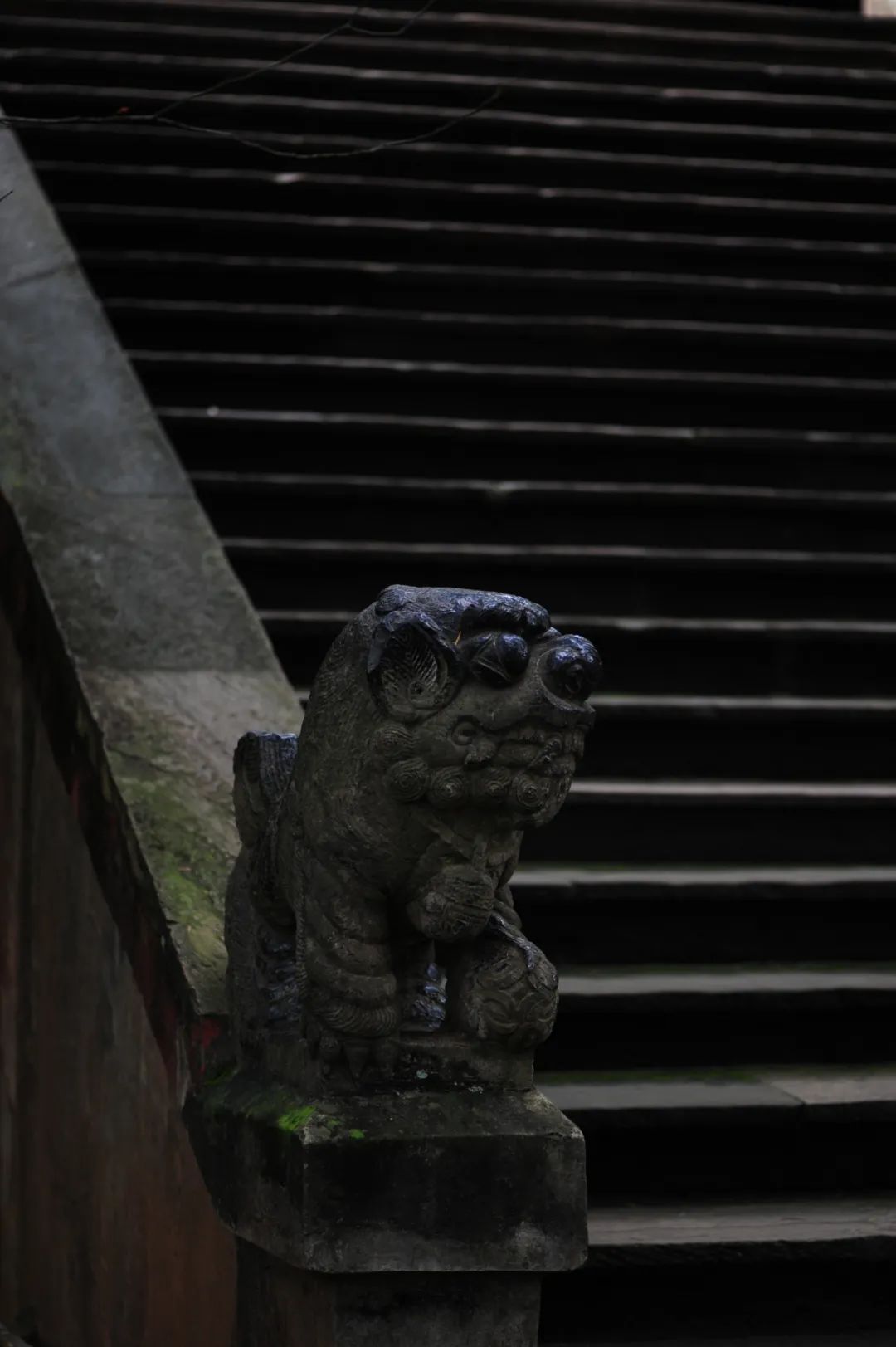
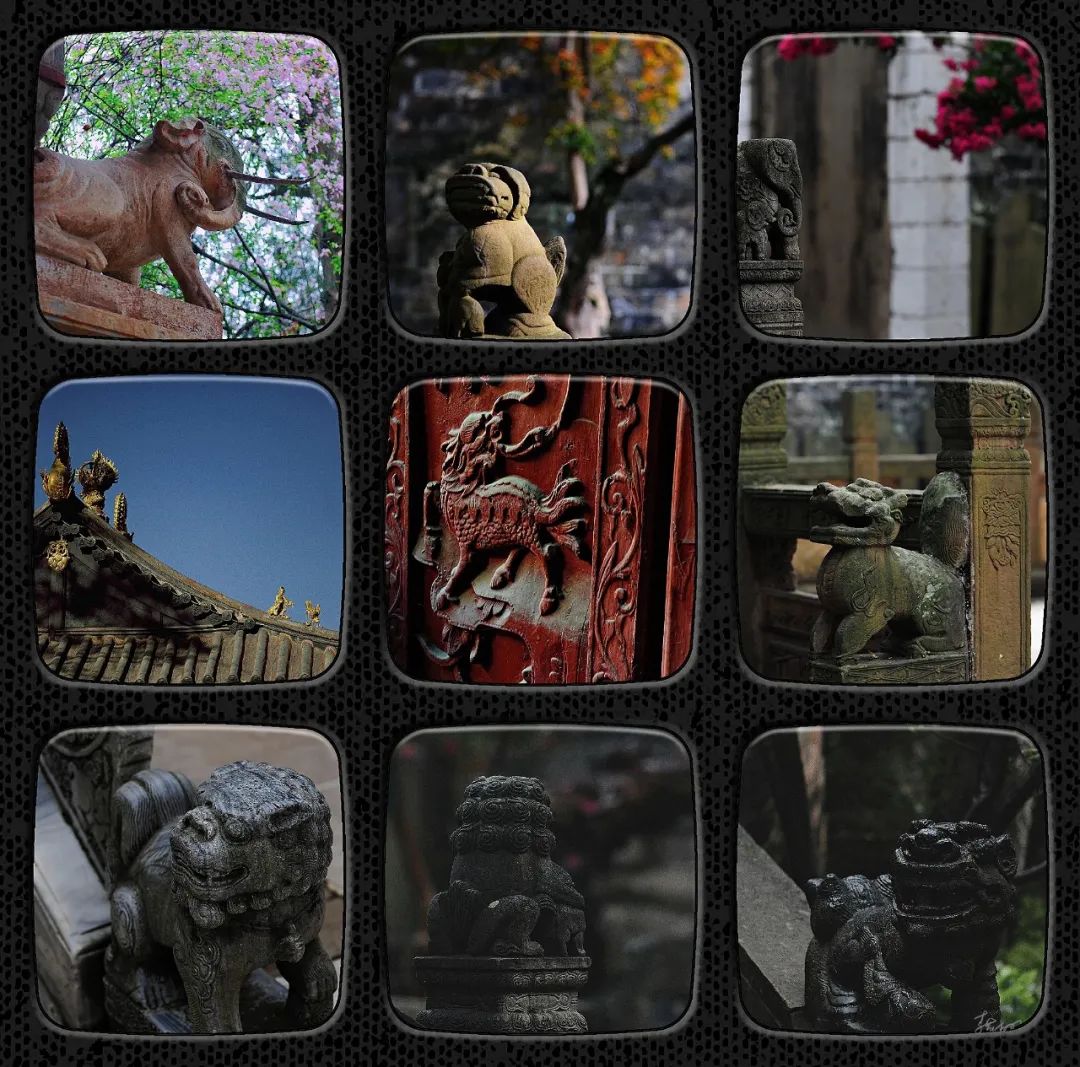
在民间,狮子成为一种勇武、强大和吉祥的化身。狮子不像龙、凤一类神禽异兽,作为皇家专用,只出现在宫廷艺术的造型中,狮子造型艺术遍及寻常百姓家,即使是普通人家门旁,也可能立上一对小小的石头狮子。
In traditional Chinese culture, the lion has become an embodiment of valor, strength and auspiciousness.Unlike dragon and phoenix, which only represent the royal family and Only in the form of court art. Lion sculpt art is widely used in ordinary people's homes. Even a pair of small stone lions may be erected next to the door of ordinary people.
一般来说,石狮都是一雄一雌摆放,成双成对的,而且一般都是左雄右雌,符合中国传统男左女右的阴阳哲学。放在门左侧的雄狮一般都雕成右前爪玩弄绣球或者两前爪之间放一个绣球;门右侧雌狮则雕成左前爪抚摸幼狮或者两前爪之间卧一幼狮。
Stone lions are usually placed in pairs of one male and one female, and are usually left male and right female, in accordance with the traditional Chinese philosophy of Yin and Yang. The lion on the left side of the door is generally carved into the right front paw playing with hydrangea or put a hydrangea between the two front paws; The female lion on the right of the door is carved into a left front paw to stroke the baby lion or lie between the two front paws of a baby lion.
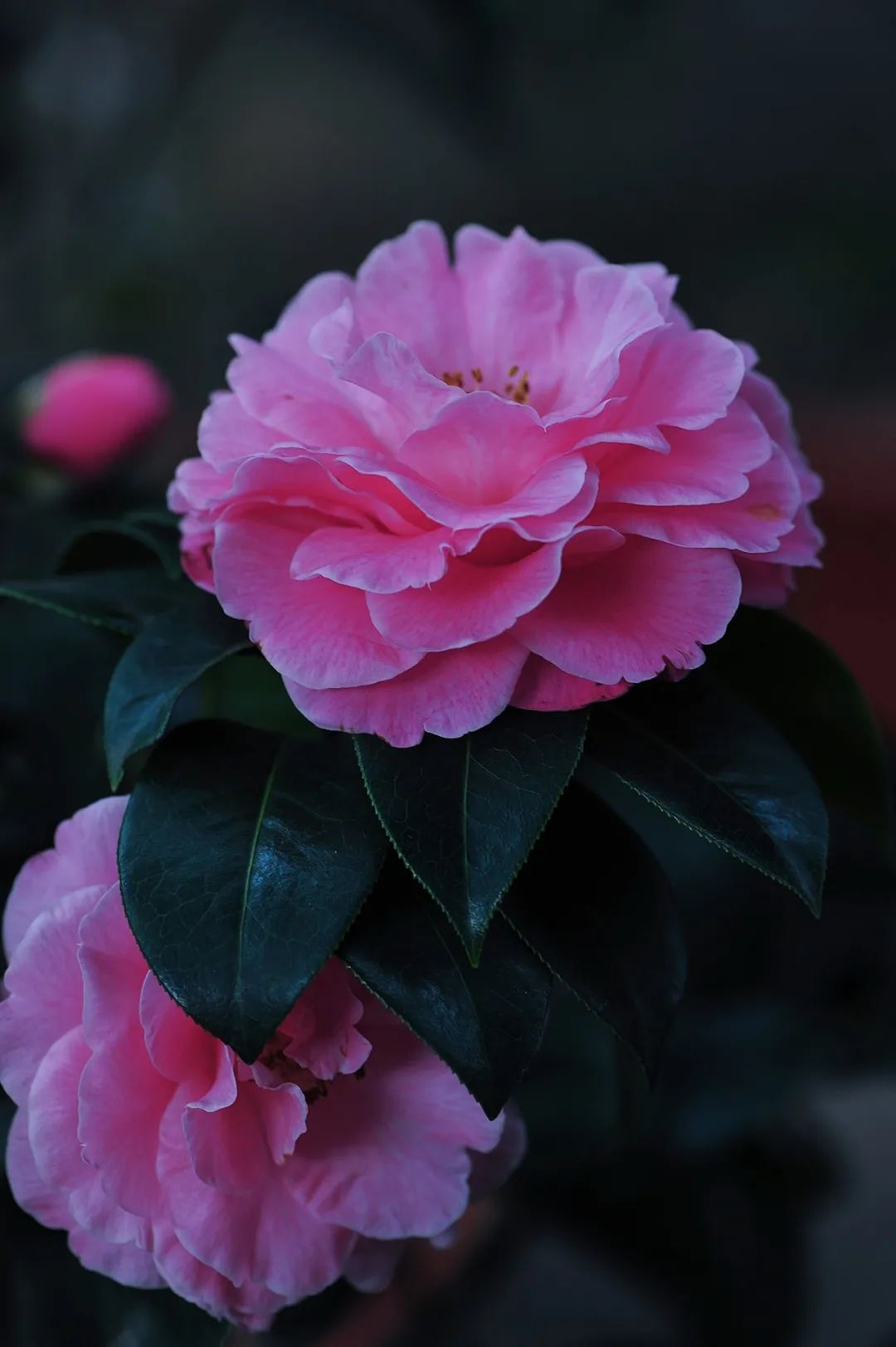
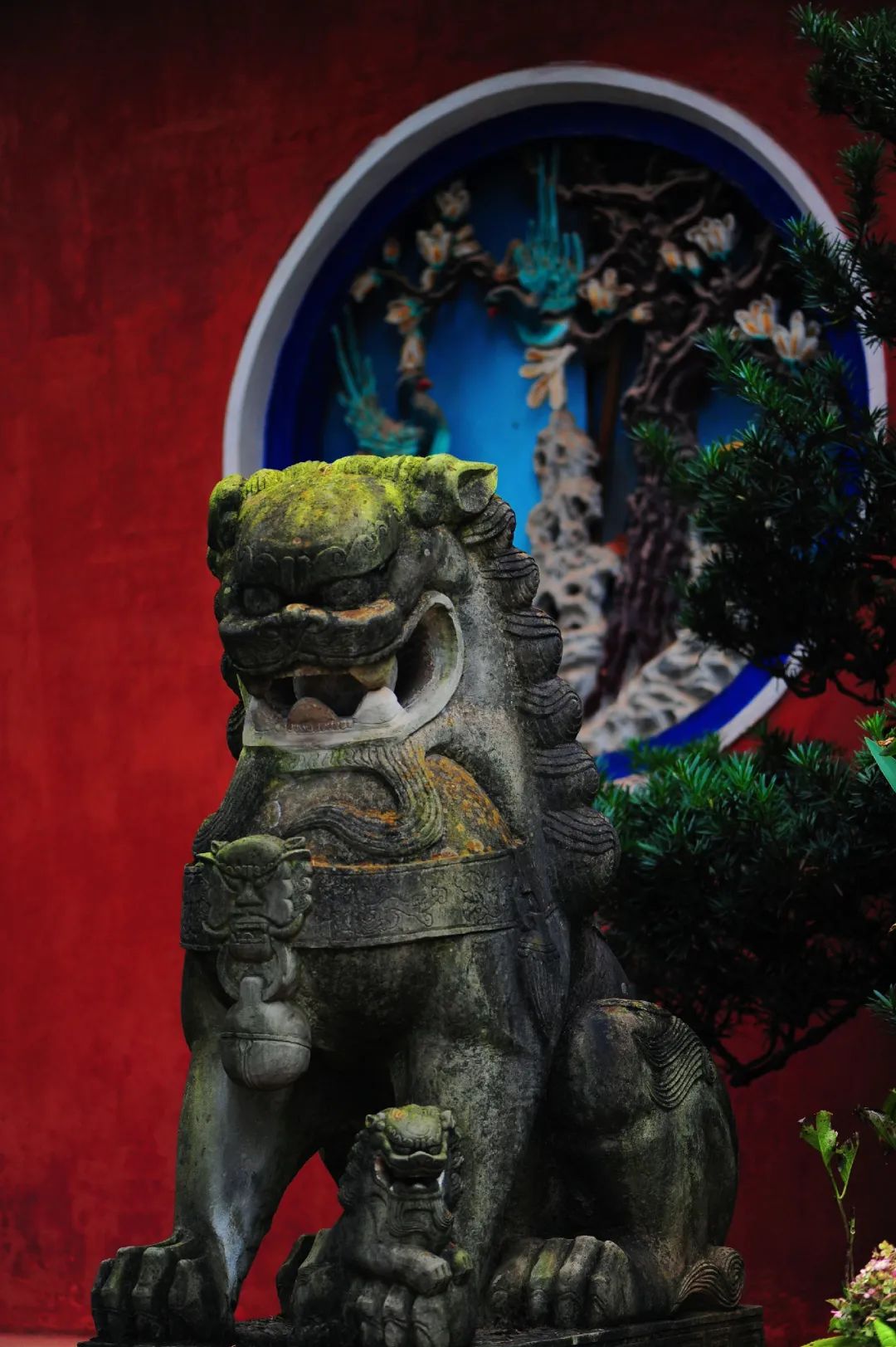
它们,这些猫科的神兽,从古至今,一直在我们身边,在花丛下,在古建筑群里,在深远的中国传统文化中。虎年春节,我们与猫科神兽们一起庆春,一起享受古朴、典雅,美好的人文与自然风景。预祝国泰民安,风调雨顺!
They, these cat mythological beasts, have been around us since ancient times, under the flowers, in the ancient buildings, in the profound traditional Chinese culture. In the Spring Festival of the Year of the Tiger, we celebrate the Spring Festival with them, and enjoy the simple, elegant, beautiful cultural and natural scenery together. I wish the country peace and prosperity, good weather!
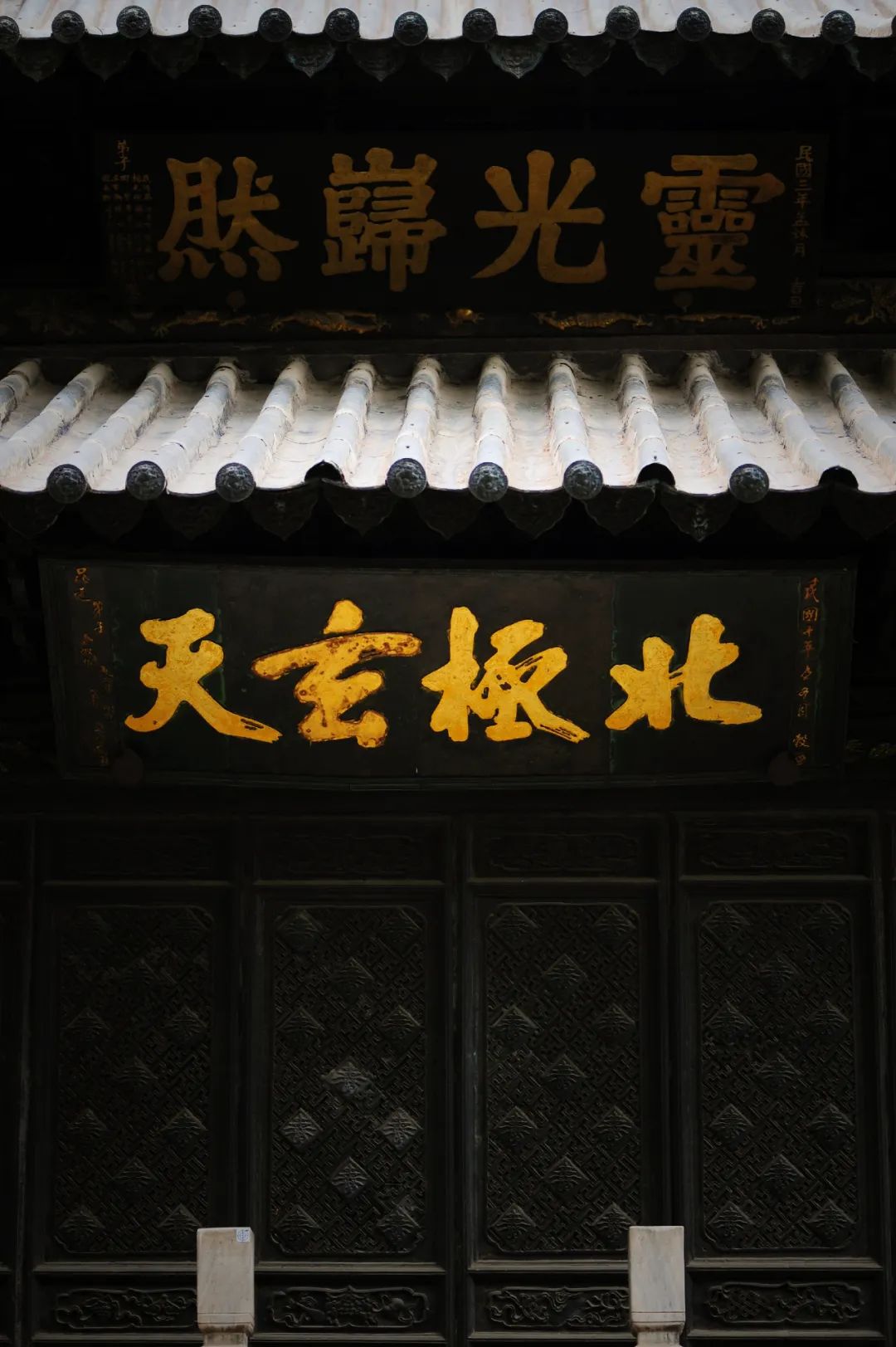
昆明市金殿名胜区全体工作人员
祝广大游客新春快乐,
阖家幸福,虎年吉祥!